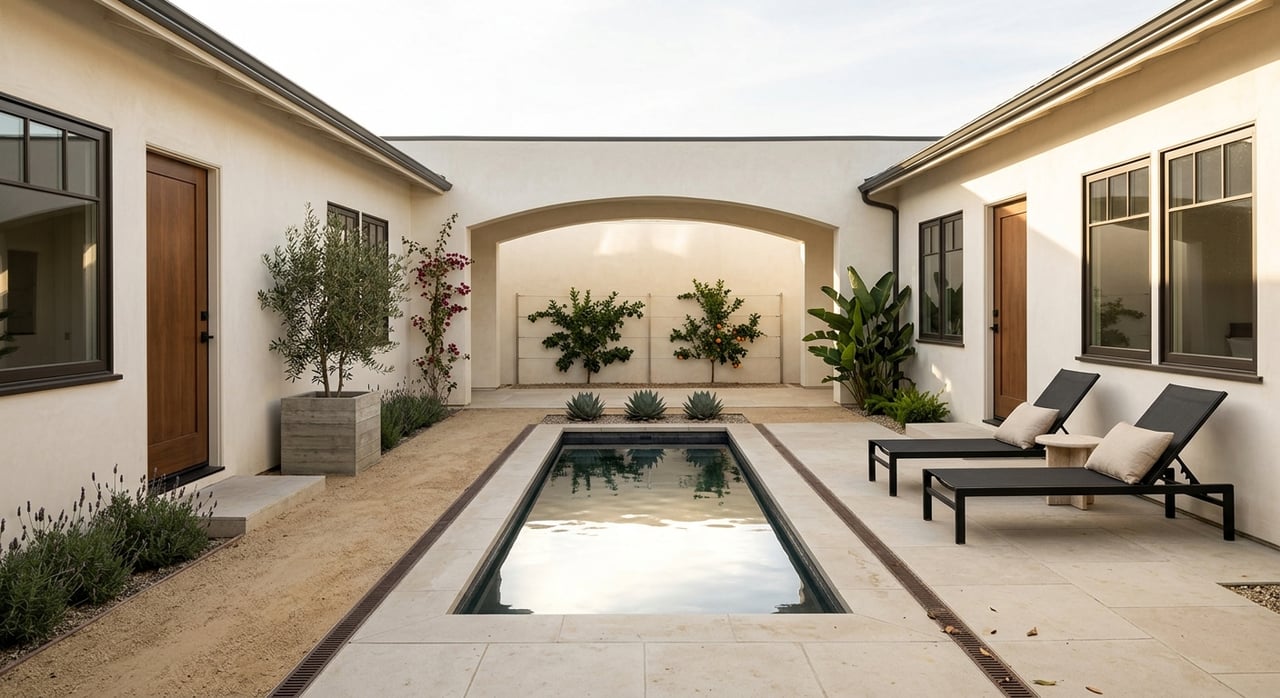
Curious why Los Angeles bungalow courts and courtyard apartments still capture so much attention? These properties offer a rare mix of character, privacy, and shared outdoor space that feels distinctly Southern California. If you are thinking about buying, investing, or simply learning what sets them apart, this guide will walk you through how they work, where they show up, and what to watch for in today’s market. Let’s dive in.
What bungalow and courtyard living means
Los Angeles bungalow courts first took shape in the 1910s and 1920s as a low-rise multifamily housing form. According to Los Angeles City Planning, they were designed to combine the privacy of a small house with shared open space, and they became an early version of low-rise, higher-density courtyard living.
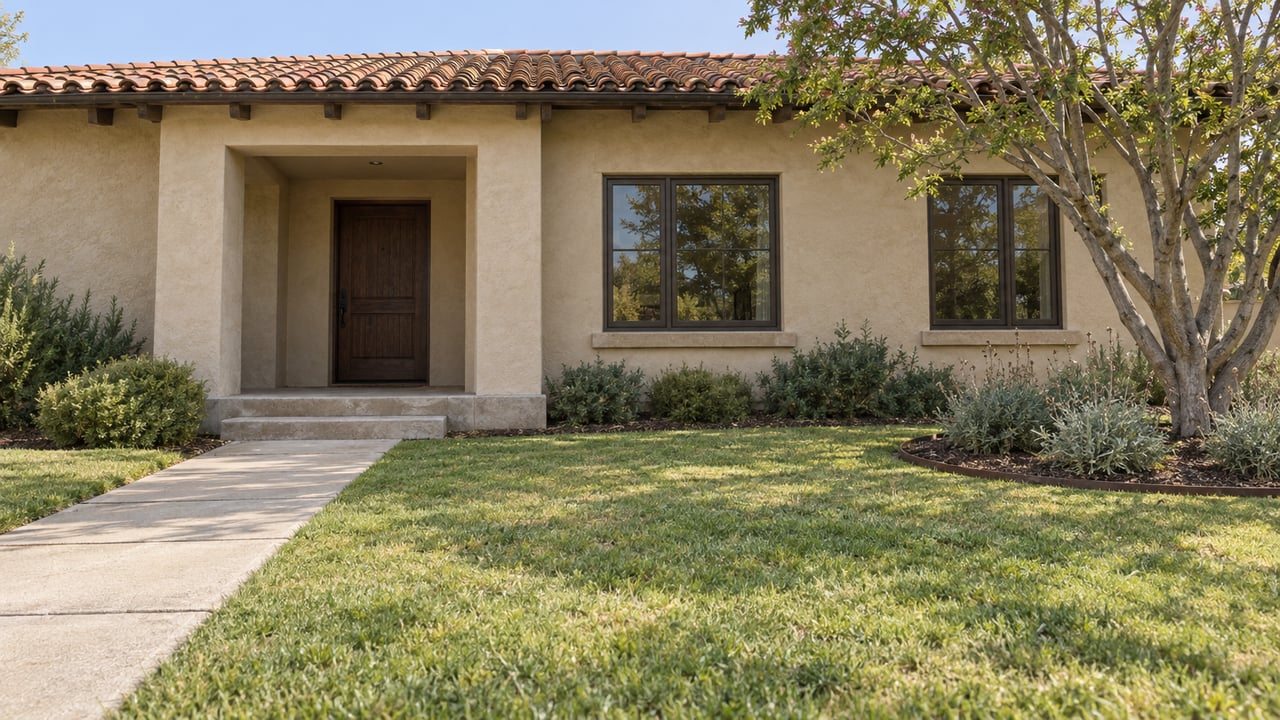
In practical terms, a bungalow court usually includes detached or semi-detached units arranged around a common courtyard or central walkway. Entrances face inward rather than toward the street, which creates a more tucked-away feel. Many examples reflect popular early 20th-century styles such as Craftsman, Spanish Colonial Revival, Mission Revival, Tudor Revival, and Storybook design.
Courtyard apartments are related, but they are not the same thing. They are typically larger multifamily buildings from the 1920s and 1930s, often designed around landscaped courts with details like balconies, tile, and arches. You can think of them as the more architecturally elaborate cousin of the bungalow court.
Why these homes feel different
The biggest difference is the layout. Instead of each home presenting itself directly to the street, the buildings turn inward toward a shared open space. That common area often becomes the visual heart of the property.
This design creates a living experience that feels more layered than a standard apartment building or a typical single-family street frontage. You may move from the sidewalk to a walkway or small courtyard, then into a porch, patio, or front door. That sequence can make the home feel more private while still connecting you to the outdoor space around it.
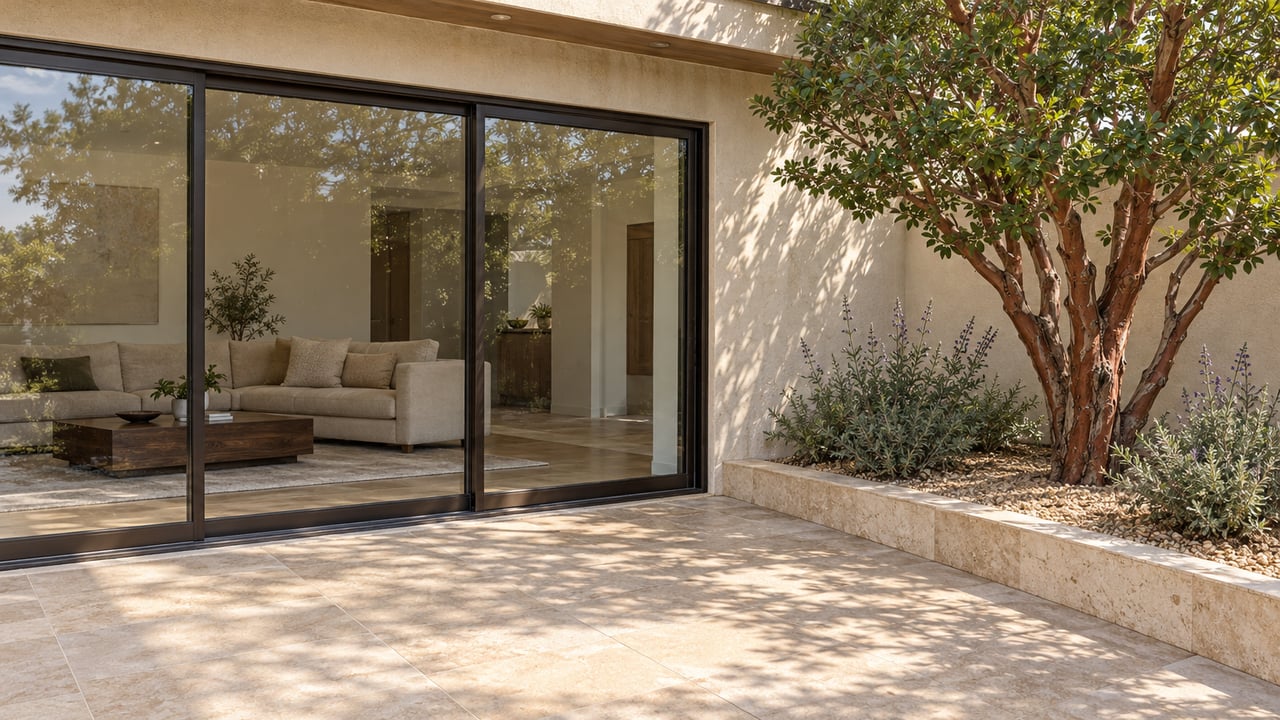
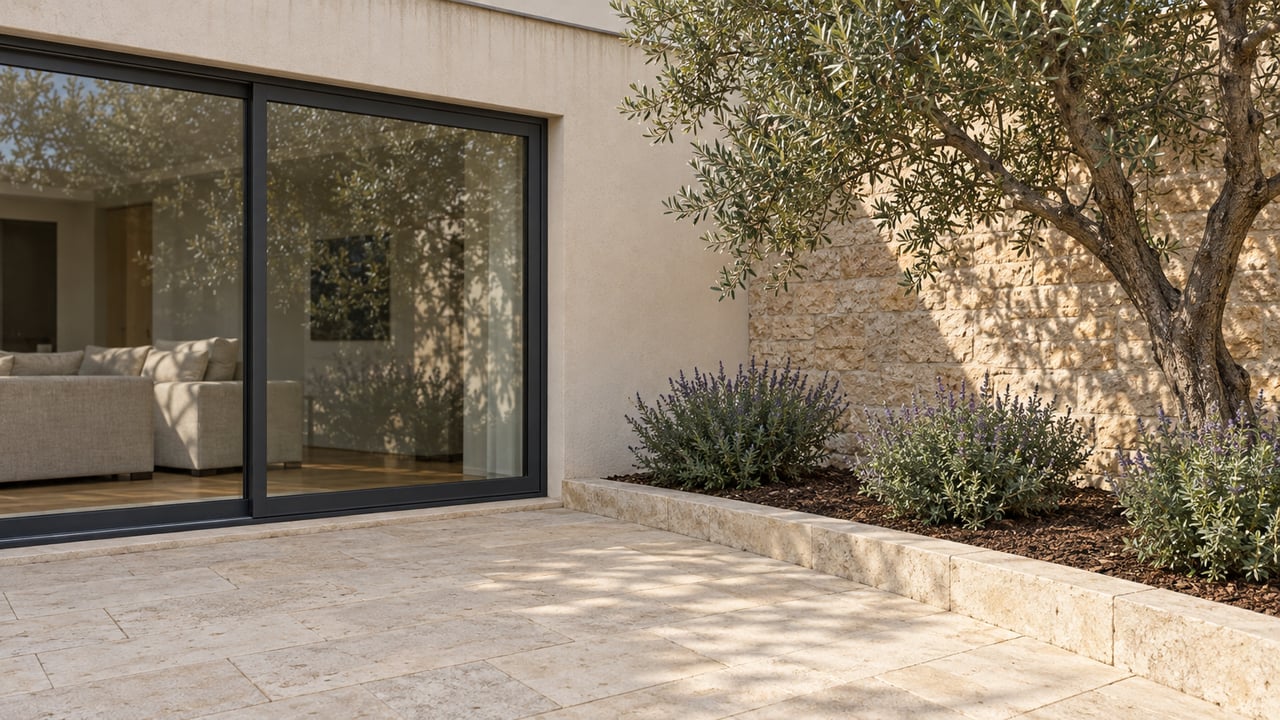
It also fits the indoor-outdoor rhythm many people associate with classic Los Angeles living. Porches, stoops, balconies, patios, and planted courts support year-round use of outdoor areas. The result is often a property that feels open and communal without giving up all sense of separation.
Where you see them in Los Angeles
These homes are part of Los Angeles’s legacy housing stock, not a major current production type. They were most popular in the 1910s through the 1930s, then became less common after World War II as land values rose, parking needs changed, and detached-house preferences took over.
Today, city resources and historic inventories point to examples in older central Los Angeles areas. Official city references specifically identify places such as Hollywood, Los Feliz, and El Sereno, and note that bungalow courts were especially important in early Hollywood residential development.
That matters if you are searching for one. You are not shopping a large, newly built category of housing. You are usually looking at a limited supply of older, character-rich properties that stand out because they have survived while much of the city evolved around them.
Why buyers are drawn to them
For many buyers, the appeal is simple: these homes offer charm you cannot easily replicate. The architecture, inward-facing plan, and shared gardens or courtyards can feel far more personal than a standard apartment layout.
There is also a scale that many people like. A small grouping of units can feel more intimate than a large multifamily complex. If you want something between a detached home and a conventional apartment, bungalow and courtyard living can offer that middle ground.
In a city as large and expensive as Los Angeles, that rarity adds to the appeal. The U.S. Census Bureau reports that Los Angeles has 1,587,311 housing units and a median owner-occupied housing value of $879,500. While that figure does not measure demand for bungalow courts specifically, it helps show the size and cost of the broader market where these homes compete.
What to know before you buy
Character is only one part of the story. If you are seriously considering a bungalow court unit or a courtyard apartment, it helps to look at the property through both a lifestyle lens and a practical one.
Check historic status early
One of the first questions to ask is whether the property has historic status or sits within a local preservation area. In Los Angeles, the HPOZ program can require additional review for exterior renovations, additions, new construction, and even some work that may not otherwise need a building permit, such as certain landscaping or paint changes.
The city also advises owners and buyers to check status in ZIMAS and HistoricPlacesLA before planning alterations. That step can help you understand what may be possible before you make assumptions about updates or future projects.
Focus on condition, not just charm
Many of these properties date to the 1920s and 1930s. That means the real question is often not whether the building is attractive, but how well it has been maintained over time.
Surviving examples may have gone through deferred maintenance, rehabilitation, or incompatible additions. Buyers should pay close attention to roofs, plumbing, electrical systems, foundations, pest issues, and signs of prior alterations. A property can be visually appealing and still require meaningful work.
Ask about preservation incentives
If a property is designated historic, there may be financial considerations beyond maintenance and approvals. The City of Los Angeles describes the Mills Act program as its primary financial incentive for preservation and restoration.
That will not apply to every bungalow court or courtyard property, but it is a smart question to raise when a home has recognized historic status. Knowing whether a property may qualify can help you understand the long-term ownership picture more clearly.
Bungalow court vs courtyard apartment
If you are comparing options, this quick breakdown can help:
Housing type | Typical form | Layout | General feel |
|---|---|---|---|
Bungalow court | Smaller cluster of detached or semi-detached units | Units face a shared courtyard or walkway | More cottage-like and intimate |
Courtyard apartment | Larger low-rise multifamily building | Units arranged around landscaped open space | More architectural and apartment-oriented |
Both can offer strong architectural identity and appealing outdoor space. The difference usually comes down to scale, building form, and how much privacy or shared structure you want.
How these properties fit today’s market
Bungalow courts and courtyard apartments are best understood as a niche part of Los Angeles housing. They are not common inventory, and that scarcity is part of what makes them memorable.
For buyers, that often means balancing emotion with strategy. You may be drawn to the design, the courtyard setting, or the historic details, but you also need a clear view of condition, restrictions, and future upkeep. For investors or multi-family buyers, the same idea applies: the property type may be distinctive, but the numbers, maintenance needs, and local rules still matter.
This is where local guidance can make a difference. In a market with limited supply and many one-of-a-kind properties, understanding both the architecture and the transaction details helps you make a better decision.
If you are exploring bungalow courts, courtyard apartments, or other distinctive Los Angeles property types, working with a team that understands character housing, multi-family opportunities, and the broader Southern California market can help you move with more clarity. Connect with Active Realty, Inc. to talk through your goals.
If your search includes older detached homes elsewhere in Los Angeles County, compare Alhambra neighborhoods and historic-home considerations. The guide covers architectural areas, property condition and the city's preservation process. Check Alhambra's own parcel records and requirements rather than applying City of Los Angeles rules to a different municipality.
For another city with period architecture, explore our Pasadena Craftsman, bungalow-court and neighborhood guide. It explains how to check Pasadena historic designation, maintenance needs and city-specific ownership requirements before pursuing an older home.
For an older detached-home comparison in the South Bay, explore Old Torrance and Torrance's neighborhood guide. It connects the original planned city with property-specific historic checks, documented improvements and other local housing choices.
FAQs
What is a bungalow court in Los Angeles?
- A bungalow court is a small group of detached or semi-detached units arranged around a shared courtyard or central walkway, usually with entrances facing inward.
What is the difference between a Los Angeles bungalow court and a courtyard apartment?
- A bungalow court is generally smaller and more cottage-like, while a courtyard apartment is usually a larger low-rise multifamily building organized around landscaped open space.
Are Los Angeles bungalow courts usually historic properties?
- Yes. This housing type is most strongly associated with the 1910s through the 1930s and is now largely part of Los Angeles’s legacy housing stock.
Where are bungalow courts most likely to be found in Los Angeles?
- City resources point to older central Los Angeles areas such as Hollywood, Los Feliz, and El Sereno, along with some Westside areas.
What should buyers check before buying a Los Angeles courtyard or bungalow property?
- Buyers should check historic status, review any preservation-related restrictions, and closely inspect condition issues such as roofs, plumbing, electrical systems, foundations, pests, and prior alterations.
Can a historic Los Angeles bungalow court qualify for tax incentives?
- Some designated historic properties may be eligible for the Mills Act program, which the City of Los Angeles describes as its primary financial incentive for preservation and restoration.
For a separate Los Angeles County municipality with established residential architecture, explore our San Gabriel neighborhood and historic-home guide. Verify the property's current local status before drawing conclusions from an architectural style or a survey entry.