Thinking about selling your home in Yorba Linda but not sure where to start? You are not alone. From pricing and disclosures to showings and escrow, there are a lot of moving parts. This guide gives you a clear, local roadmap so you can plan confidently, avoid delays, and maximize your net. Let’s dive in.
Yorba Linda market snapshot
If you are selling in 2026, you are entering a market that is balanced in many price bands. Average home values in Yorba Linda are around the low to mid 1.3 million range, with well-prepared homes often going under contract within a few weeks. Data as of March 16, 2026.
Local micro-markets behave differently. Examples include East Lake Village, Bryant Ranch, Travis Ranch, and Kerrigan Ranch. Family-focused areas with amenity access can see stronger buyer traffic, while estate and large-lot properties may experience longer days on market. Countywide, recent snapshots show more inventory and steady demand, so pricing and presentation matter. You will still see the most buyer activity in spring, but a properly priced, well-marketed home can sell any month of the year.
Your step-by-step plan
1) Choose your agent and pricing plan
Select an agent with Yorba Linda experience and a proven marketing system. Ask for a comparative market analysis with 3 to 6 recent solds and active competition within the past 30 to 90 days. Confirm their exact fee structure in writing, since commissions are negotiable. Request a pricing band that accounts for school assignment boundaries, lot size, condition, and views.
2) Start disclosures and inspections early
Getting ahead of required disclosures prevents delays and protects your sale.
- Complete California’s Transfer Disclosure Statement and related forms. These cover known property conditions and must be delivered on time. Review the statutory requirements in the California Civil Code for seller disclosures (see the Transfer Disclosure Statement provisions in Civil Code §§1102–1102.17). You can read the statutory text on law.justia.com.
- Provide a Natural Hazard Disclosure. Buyers want to see whether the parcel lies in mapped flood, fire, fault, or landslide areas. The California Association of REALTORS has a helpful NHD quick guide that outlines what must be included.
- If the property is in a mapped High or Very High Fire Hazard Severity Zone, you must also provide home-hardening and defensible-space information as required by state law. Review California’s AB 38 language and check your address against the City of Yorba Linda’s adopted 2025 CalFIRE fire-severity maps.
- Termite and wood-destroying organism inspections are common in California and often requested by buyers and lenders. A pre-listing WDO report from a licensed inspector can reduce escrow friction. See the Structural Pest Control Board for rules and report lookups.
- For homes built before 1978, provide the federal lead-based paint disclosure and the EPA pamphlet. The EPA’s fact sheet explains the requirement.
- If your home is in an HOA, order the Davis–Stirling resale packet early. California Civil Code §4525 lists what must be delivered, including governing documents, assessment data, budgets, and minutes upon request.
3) Prep, repairs, and staging
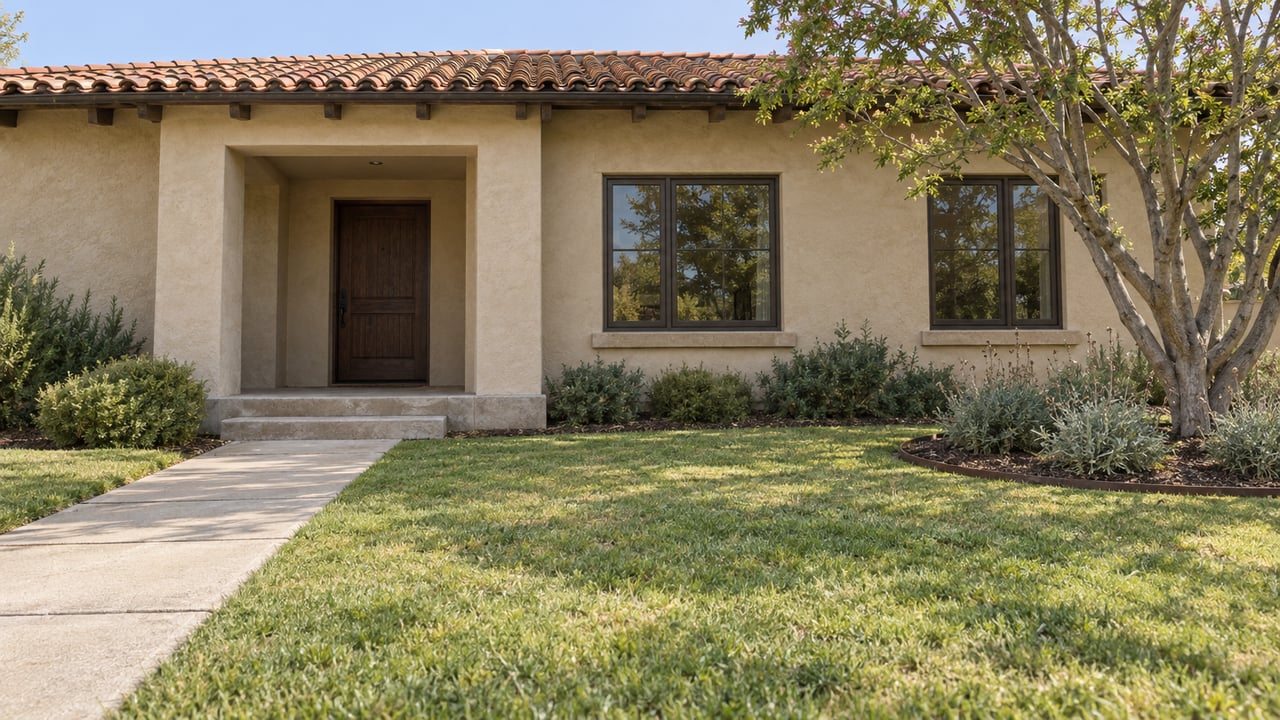
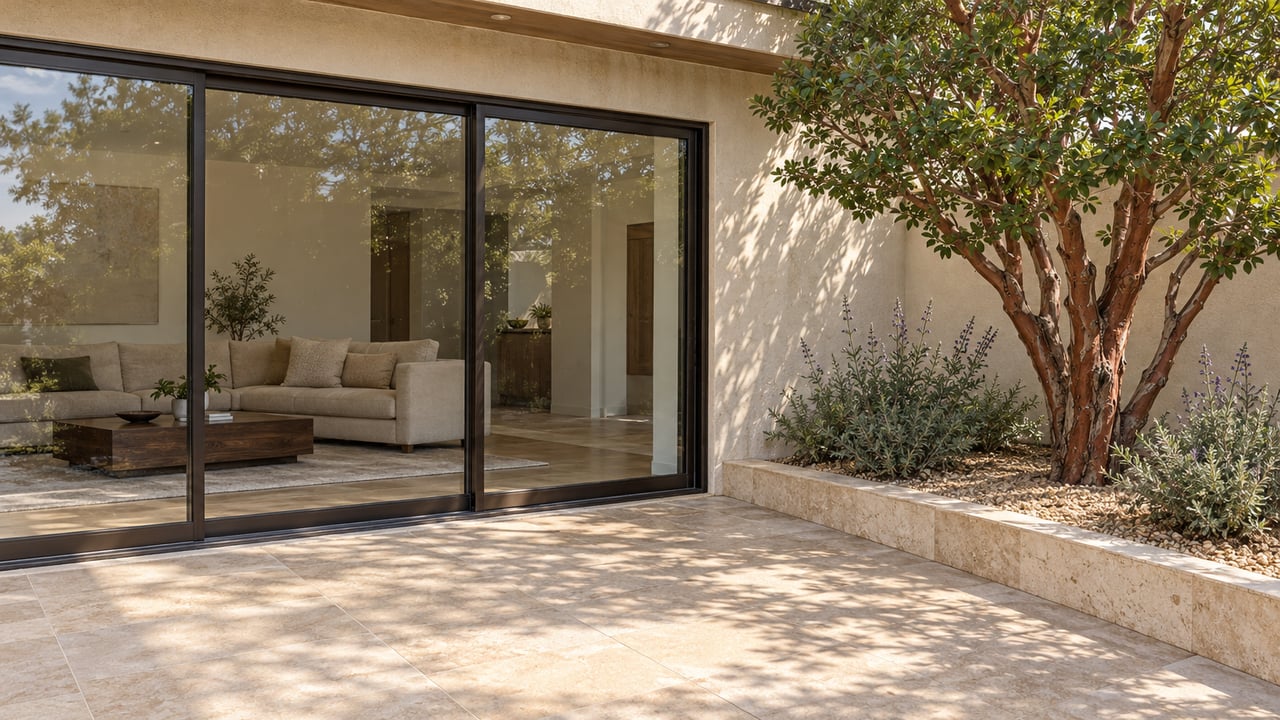
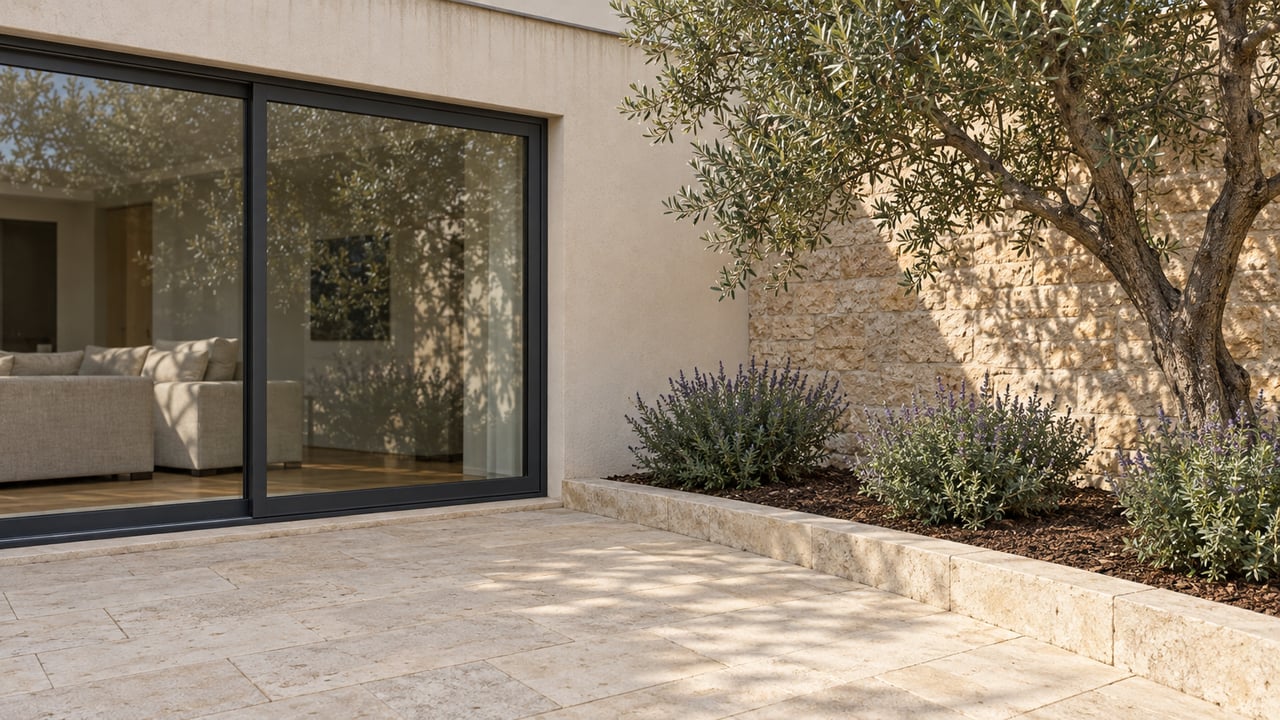
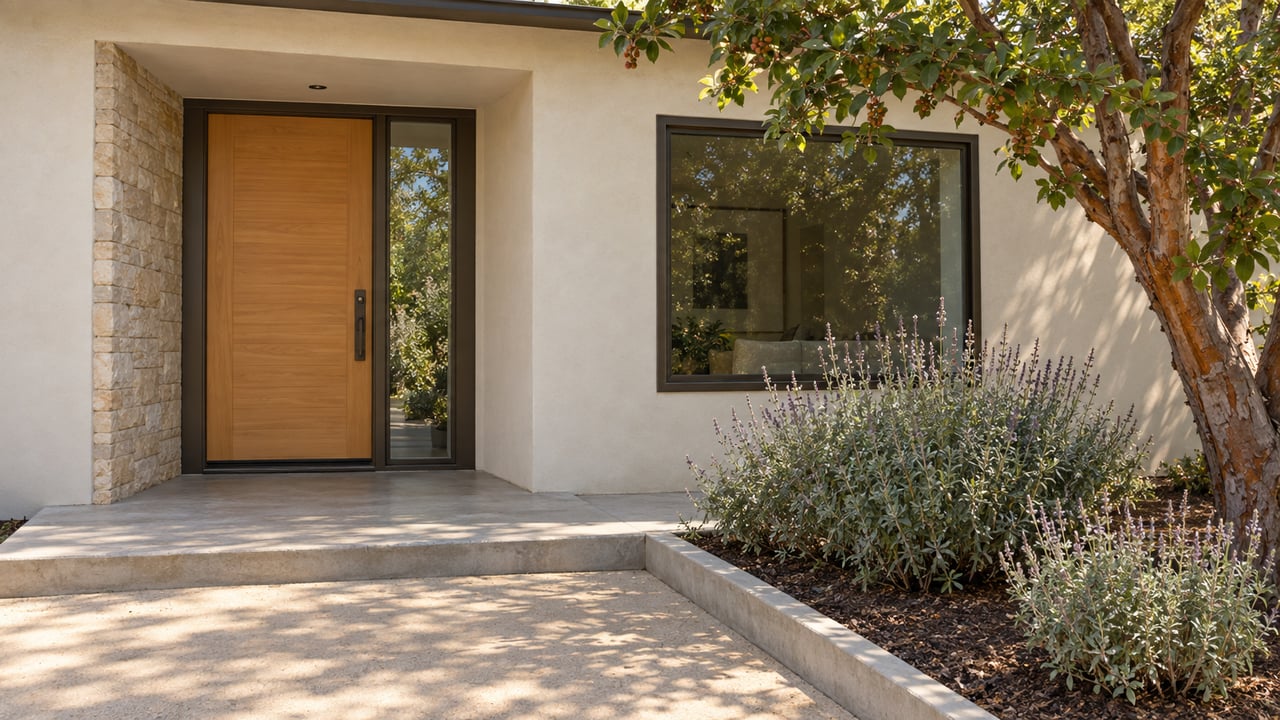
Focus on safety and system items first. Address roof, HVAC, and any visible termite or moisture issues. Then prioritize high-impact updates for your price band, like curb appeal, lighting, paint, and minor kitchen or bath refreshes. Professional staging and photography are standard in Orange County and help buyers connect the space to a move-in vision. Energy-efficient features, EV charging, and usable outdoor living also stand out for local buyers.
4) Launch your listing and market widely
Work with your agent to time your on-market debut. A typical launch plan includes professional photos, a floor plan and 3D tour, a strong property description, broker open, and weekend open houses. Your MLS listing should syndicate across major portals, and your agent should coordinate showing windows and feedback. Pick a pricing strategy that fits current inventory in your micro-market. Pricing right at market can invite multiple offers, while selective underpricing sometimes drives traffic. The approach should match your goals and the realities of nearby comps.
5) Review offers and negotiate terms
Expect common contingencies such as inspection, financing, appraisal, and HOA review for attached or planned communities. Weigh each offer by net proceeds, contingency strength, buyer qualifications, and timing. If your home attracts multiple offers, your agent can help you compare escalation terms or appraisal-gap strategies and choose the cleanest path to closing.
6) Escrow, inspections, and underwriting
In California, financed escrows usually run about 30 to 45 days, while cash deals can close faster. Coordinate with your escrow and title teams on timelines, payoff statements, required disclosures, and HOA documents. For a helpful overview of the escrow process and typical timelines in California, review this local escrow FAQ.
7) Final walkthrough and recording
On closing day, the buyer completes a final walkthrough, the lender funds the loan, and the county records the deed. Escrow then disburses funds and confirms final prorations. Make sure any agreed repairs are documented and receipts are in the escrow file.
Disclosures and compliance in Yorba Linda
California requires specific disclosures and, in some areas of Yorba Linda, additional wildfire-related notices. Here is what to cover.
- Transfer Disclosure Statement. California Civil Code requires sellers to disclose known property conditions using the TDS and related forms. Review Civil Code §§1102–1102.17 on law.justia.com.
- Natural Hazard Disclosure. Provide the standardized NHD statement showing whether the parcel is in mapped hazard zones. See the California Association of REALTORS quick guide.
- Home-hardening and defensible space. If your address is in a High or Very High Fire Hazard Severity Zone, you must deliver fire-hardening and defensible-space disclosures under AB 38. Read AB 38 on legiscan.com and check the City of Yorba Linda’s 2025 CalFIRE fire-severity maps to verify your parcel.
- Termite/WDO. Use a licensed inspector, follow correction protocols if active infestation or structural damage is found, and keep reports handy for buyers and lenders. Visit the Structural Pest Control Board for rules.
- Lead-based paint. For pre-1978 homes, include the federal disclosure and EPA pamphlet. See the EPA’s lead-disclosure fact sheet.
- HOA resale documents. If you are in a common-interest development, California Civil Code §4525 outlines the documents you must deliver. Order the packet early to avoid delays.
Pricing and marketing that fit Yorba Linda
A smart price starts with local comps and buyer psychology. Your agent’s CMA should analyze recent closed sales, current actives, and pending listings within your school assignment area and neighborhood. Price bands that line up with common search thresholds can expand your buyer pool. Avoid aspirational overpricing that leads to long days on market and price cuts.
School zones, amenities, and lot characteristics often affect value. Families and relocating professionals look closely at school assignment information from Placentia–Yorba Linda Unified School District. Confirm accurate school boundaries and avoid promising admission guarantees. You can find district information through PYLUSD.
For marketing, put your best features forward. Professional photos, a clear floor plan, and a description that highlights indoor-outdoor flow, system upgrades, energy features, and yard or view advantages help you stand out. Host targeted broker opens and well-timed public opens to build momentum in the first two weeks.
Closing costs and your net
Plan for the following seller-side items so your net matches your expectations.
- Commission. Real estate commissions are negotiable in California. Ask your agent for a written fee schedule and what services are included.
- Documentary transfer tax and recording. Orange County typically calculates documentary transfer tax at about 1.10 per 1,000 of consideration, plus standard recording fees. Yorba Linda does not add a city transfer tax. Escrow and title will calculate exact amounts at closing. See the Orange County recording and transfer tax schedule for details.
- Title and escrow fees. These vary by provider and price point. Your escrow company can prepare an estimate. For a process overview and typical timing, see this escrow FAQ.
- Prorated taxes and HOA fees. Expect prorations for property taxes and HOA dues. If your home is in an HOA, order the resale packet right away because delivery timelines can affect closing. Review Civil Code §4525 for the required contents.
- Repairs or credits. Any negotiated repair work or closing credits will reduce proceeds. Keep invoices and completion proof in the escrow file.
Local nuances and seller tips
- Fire-zone mapping. Parts of eastern and foothill Yorba Linda are mapped as High or Very High Fire Hazard Severity Zones. Confirm your parcel using the City’s adopted 2025 CalFIRE maps and prepare the fire-hardening and defensible-space disclosures if required.
- Insurance and lending. In wildfire-exposed areas, buyers may face higher insurance premiums or underwriting questions. Have documentation for any mitigation, roof updates, ember-resistant vents, and defensible-space work ready to share.
- Showings strategy. Keep showings structured with clear appointment windows. Before each showing, open blinds, turn on lights, and secure valuables. Maintain consistent staging and fresh exterior presentation so your first impression stays strong.
Your next step
If you want a clean, confident sale, start with a local pricing plan, complete your disclosures early, and prepare a launch that hits hard in the first two weeks. When you are ready, get tailored advice and a custom market analysis from a Yorba Linda expert. Contact Active Realty, Inc. to get started with a free home valuation.
FAQs
How long will a Yorba Linda home take to sell in 2026?
- Timing varies by price band and neighborhood. Well-prepared homes can go under contract within weeks, while large-lot or estate properties may take longer. County conditions are steady, so pricing and presentation are key. Confirm your timeline with recent local comps and inventory. For escrow timing once under contract, review this California escrow FAQ.
What disclosures are required to sell a home in Yorba Linda, CA?
- You must deliver the Transfer Disclosure Statement and related forms, a Natural Hazard Disclosure, lead-based paint disclosure for pre-1978 homes, termite/WDO reports if obtained, and HOA resale documents when applicable. If your parcel is in a High or Very High Fire Hazard Severity Zone, include home-hardening and defensible-space notices. See the seller disclosure statutes, the NHD quick guide, the EPA lead fact sheet, Civil Code §4525 for HOA packets, and AB 38 plus the City’s FHSZ map page.
Do I need a termite inspection before listing in Yorba Linda?
- A pre-listing termite/WDO inspection is not always mandatory, but buyers and lenders commonly request it, and corrections may be required if active infestation or structural damage is found. Getting a licensed inspection up front can prevent escrow delays. See the Structural Pest Control Board for rules and how reports are handled.
How much are seller closing costs in Orange County?
- Expect agent commissions that are negotiable, title and escrow fees, prorated property taxes and HOA fees, documentary transfer tax at about 1.10 per 1,000 of price plus recording fees, and any agreed repairs or credits. Escrow will calculate exact figures. Review the Orange County recording and transfer tax schedule and your escrow company’s process overview.
Should I stage and make repairs before selling in Yorba Linda?
- Yes for most homes. Address safety and system items first, then invest in high-visibility updates and staging to support your price. Remember that you must disclose known defects under California’s Transfer Disclosure Statement, so repairing key issues can reduce risk and improve buyer confidence. See the TDS statute for context.