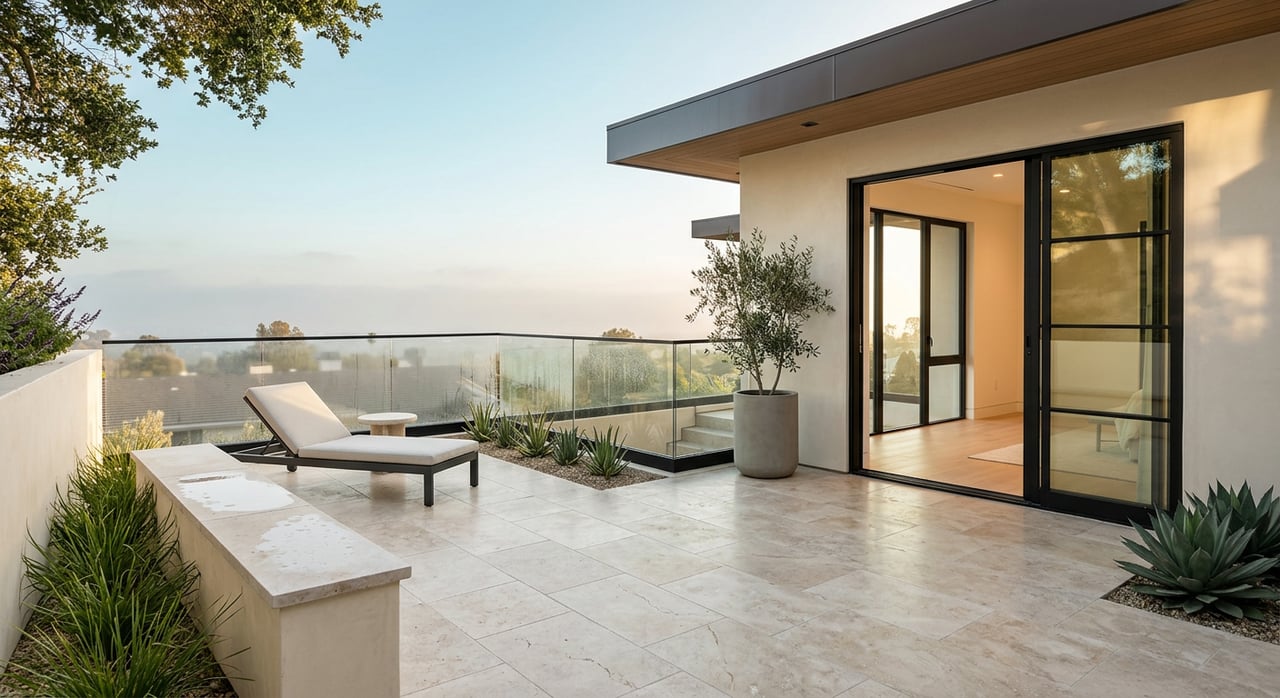
Love the city lights and canyon vistas from Anaheim Hills but unsure if the price tag makes sense for you? You are not alone. View homes can be inspiring, and they can also be expensive. In this guide, you will learn what “view” really means in Anaheim Hills, how much it may add to value, what risks to check first, and the exact steps to take before you pay a premium. Let’s dive in.
What a view means here
In Anaheim Hills, a “view” usually means one of the following:
- Panoramic city‑light or valley views that sparkle at night.
- Canyon, hillside, or open‑space outlooks across the Santa Ana foothills.
- Water or reservoir glimpses in pockets like Lake Summit.
- In a few high‑elevation spots, distant coastal or Catalina visibility on clear days.
Listing descriptions often use words like “panoramic,” “forever,” “unobstructed,” and “city‑light.” Photos tend to emphasize balconies, decks, and main living spaces that frame the outlook.
Current market snapshot
Pricing in Anaheim Hills reflects its hillside setting and limited supply. As of January 2026, Redfin reports a median sale price around 1.09 million dollars and a median price per square foot near the high 500s. Realtor.com’s December 2025 neighborhood report shows a median around 1,017,000 dollars. Days on market often run about one to two months. Submarkets such as The Summit, Hidden Canyon, Lake Summit, and Westridge can trade above the neighborhood median due to elevation, lot position, and scarcity.
The key takeaway is that view quality and location within the hills matter as much as square footage. Two similar homes on the same street can perform very differently if one has a commanding outlook and the other does not.
How much views add
What the studies show
Research on home values confirms that views are real value drivers, but the impact varies by type, quality, distance, and market. A well‑known hedonic study found that water and ocean views often command the largest premiums, while mountain, valley, and city views add smaller but still positive value. The authors stress that the quality and breadth of the view drive the size of the effect, not just the label itself. You can review the general findings in the academic literature on view premiums, which emphasizes variability rather than a single fixed number (hedonic valuation research).
Newer data science work also shows that image and visibility features contribute meaningfully to automated valuations, which signals that the market consistently prices the visual character of a property. The effect size still depends on local supply and demand (computer‑vision valuation study).
What it means in Anaheim Hills
Anaheim Hills is inland, so you should expect view premiums that align with hillside and city‑light markets, not oceanfront levels. In practice, buyers here often see premiums ranging from low single digits up to low double digits for high‑quality, unobstructed hilltop panoramas. The actual number depends on the type and permanence of the view, elevation, neighborhood scarcity, and how many rooms capture it. The only reliable way to price a specific view is to use very close comparables on the same street or elevation band and adjust for exposure.
Daily living tradeoffs
Enjoyment and well‑being
A beautiful outlook is more than decoration. Environmental psychology research ties natural views and daylight to lower stress and better mood. That helps explain why many buyers are willing to pay for a view they will see every day from key rooms (healthcare environment research overview). If the kitchen, great room, and primary suite all orient to the panorama, your personal “use value” rises.
Privacy and orientation
Wide vistas often mean more glass and more exposure at the rear of the home. That can feel less private without thoughtful screening, fencing, or landscape design. City‑light moments only appear at dusk and after dark, so they are time‑specific. Sellers highlight twilight scenes in marketing for a reason. As a buyer, spend time on site at different hours to gauge how you will actually live with the outlook.
Risks and costs to check
View lots are often hillside lots, which come with specific duties and risks in Anaheim Hills:
- Wildfire history. The area has seen fast‑moving brush fires, such as Canyon Fire 2 in 2017, that shaped local risk awareness (Canyon Fire 2 coverage).
- Fire Hazard Severity Zones. Updated state and local maps designate High or Very High zones. These can trigger brush‑clearance rules, construction standards, and disclosure requirements (Orange County FHSZ map resource).
- Insurance impact. Recent wildfire map updates in California have influenced underwriting and premium costs. Availability and rates can change, which affects your monthly budget and valuation math (wildfire risk and insurance overview).
- Geotechnical concerns. Slopes, retaining walls, and soil conditions deserve careful review in hillside neighborhoods. Past regional slope failures highlight why a geotechnical opinion can be a smart step for steep lots (Anaheim Hills landslide reporting).
- Required disclosures. In California, transactions include a Natural Hazard Disclosure, which flags fire, flood, and seismic hazards. Review it closely and ask follow‑up questions before you remove contingencies (California NHD statute reference).
Buyer checklist before paying a premium
Use this short list during your search and escrow:
- Visit at multiple times. See the home in daylight, at sunset, and after dark to judge the true daily experience and any glare or neighbor lighting.
- Verify permanence. Ask your agent and title company to review easements, CC&Rs, and development rights on nearby lots. Check with the city about pending permits on adjacent parcels. These are standard appraisal considerations (appraisal practice reference).
- Confirm hazards and costs. Read the Natural Hazard Disclosure, review the current Fire Hazard Severity Zone mapping, and note any brush‑clearance or defensible‑space requirements that add annual maintenance.
- Ask for insurance quotes early. Work with carriers who understand Orange County wildland interfaces and confirm cost and availability before you commit (insurance market overview).
- Inspect the hillside. For steep or terraced lots, consider a geotechnical or structural opinion to evaluate slopes, retaining walls, and drainage (regional landslide context).
- Compare hyper‑local comps. Focus on closed sales with very similar elevation, orientation, and lot position. Adjust only for clear differences like floor‑plan reach of the view.
Seller playbook to maximize your view premium
You earn the premium you can prove. Focus on clarity, permanence, and presentation.
- Capture the view. Invest in professional photos and short video that show the outlook from the main living areas and primary suite. Include both daytime and twilight scenes for city‑light appeal.
- Make it easy to visualize. Provide a floor plan and note which rooms face the view. If you have sun studies or direction notes, include them.
- Use the right comps. Select closed sales on the same street or elevation that isolate the view as the differentiator. Prepare an appraiser packet that documents view orientation and any permanent open‑space protections.
- Disclose early and clearly. Share the NHD, defensible‑space rules, and any HOA or municipal brush‑clearance duties up front to build trust and reduce surprises.
- Price to your proof. Avoid assuming a large premium without comparable support. If the view is incremental, price conservatively and let marketing do the work.
Pricing and negotiation
- For buyers. If the view defines your decision and you have verified permanence, be prepared to pay within the local premium band. If you see risks of blockage or high ownership costs, ask for price adjustments or credits and keep inspection timelines tight.
- For sellers. Do not overreach. Strong visuals, tight comps, and early disclosures help you defend the premium with appraisers and buyers. If feedback signals the market views your outlook as modest, adjust quickly.
For both sides, remember that studies show view effects vary with type and quality. That is why the most accurate pricing comes from hyper‑local comparables and careful documentation of what the view includes and how many rooms benefit (hedonic valuation research).
Bottom line
Are view homes in Anaheim Hills worth the premium? Often, yes, when you get a high‑quality, unobstructed panorama that multiple rooms enjoy, and when you verify permanence and ownership costs. The premium here tends to be modest to moderate compared to oceanfront markets, and it hinges on elevation, exposure, and scarcity. Your best move is to follow a clear process: confirm the experience at different times of day, vet hazards and insurance, and price against same‑elevation comps. Do that, and you will know whether the view is worth it for you.
Ready to buy or sell a view home in Anaheim Hills? Connect with our team for comp analysis, pricing strategy, and premium marketing. Active Realty, Inc. can help you run the numbers, verify risks, and position your home for top dollar. Get a free home valuation.
FAQs
What view types add the most value in Anaheim Hills?
- High, unobstructed hilltop panoramas and wide city‑light vistas tend to command the largest premiums locally, with water or reservoir glimpses in pockets like Lake Summit also helping. Actual impact depends on quality, permanence, and how many rooms capture the outlook.
How can I tell if my Anaheim Hills view is permanent?
- Ask your agent and title team to check easements, CC&Rs, and recorded restrictions, and request city planning input on nearby development. These are standard appraisal checks for view durability (appraisal practice reference).
How do wildfire maps affect Anaheim Hills view homes and insurance?
- Properties in High or Very High Fire Hazard Severity Zones may face extra brush‑clearance rules and insurance scrutiny. Review the county FHSZ resources and get quotes early to confirm availability and cost (FHSZ map resource; insurance overview).
Do view homes in Anaheim Hills appraise reliably?
- They can, if you provide strong same‑elevation comparables and clear documentation of view quality and permanence. Appraisers adjust for view type and strength, consistent with hedonic research that shows variable but real effects (valuation research).
What should Anaheim Hills sellers do to market a view effectively?
- Use professional daytime and twilight visuals, include floor plans that show room orientation, select tight view comps, and disclose hazards and maintenance duties up front. Price to the proof and adjust quickly if feedback points to a smaller premium.