If you have ever wondered why Irvine feels so organized from one errand to the next, you are not imagining it. The city’s master-planned layout shapes how you move through the day, from where you shop and spend time outdoors to how you think about commute time and neighborhood amenities. If you are considering a move to Irvine, understanding that planning structure can help you choose a home that fits your routine, not just your budget. Let’s dive in.
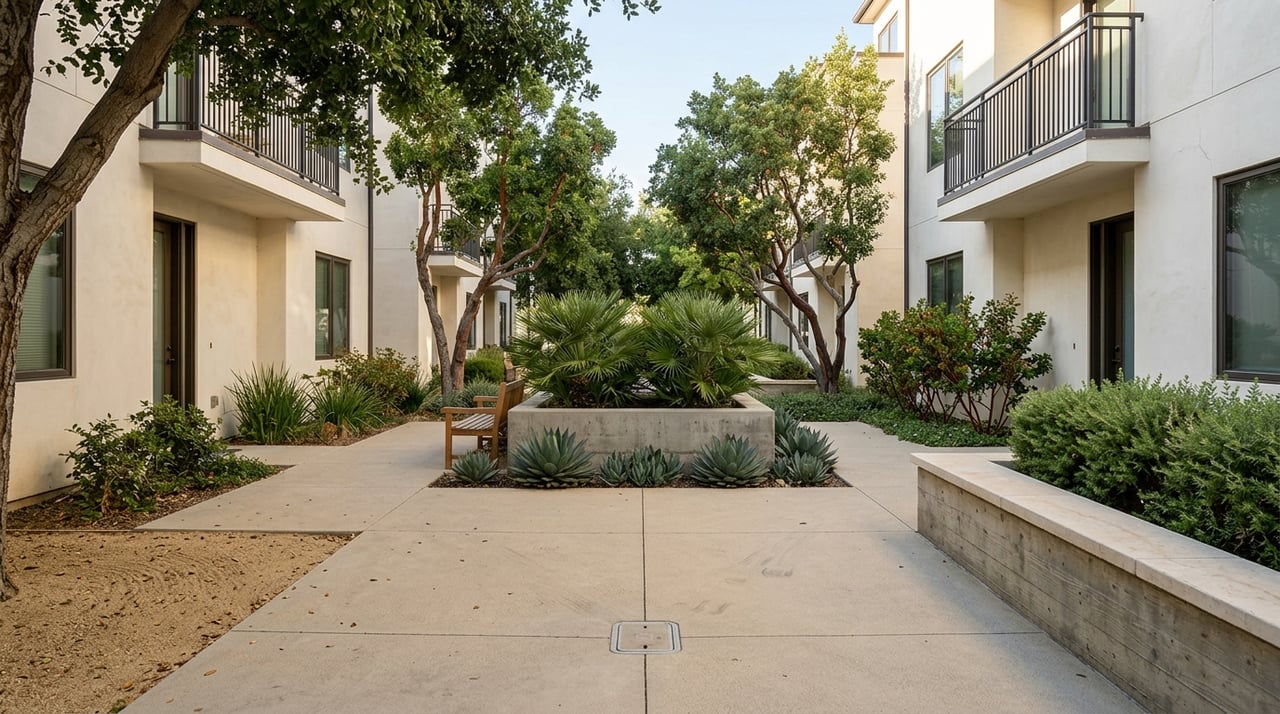
Irvine Is Built Around Villages
Irvine’s long-range growth follows its General Plan, and the city says it grew from the village concept and is now divided into 51 planning areas. That matters because daily life often feels centered on a specific planning area or village instead of one traditional downtown.
In practical terms, you may find yourself thinking about Irvine in clusters. Where you live can shape how close you are to parks, retail centers, trails, and transportation routes, which makes location feel especially tied to lifestyle.
Planning Areas Shape Routine
Current planning shows that Irvine still builds with that village-scale logic in mind. Proposed areas like Oak Park include homes, an elementary school, community and neighborhood parks, and transportation improvements, while Gateway Preserve combines open space, trails, parks, and a new residential village.
That kind of planning can make everyday life feel more intentional. Instead of amenities being added randomly over time, many are planned together to support how residents live day to day.
HOA Living Is Often Part of the Package
In many large master-planned communities, homeowners associations are common. The City of Irvine notes that HOAs can provide more amenities, but they also require more hands-on management.
For you as a buyer, that means it is smart to look beyond the home itself. HOA structure, monthly dues, maintenance expectations, and shared amenities can all affect how a neighborhood feels and functions.
Parks Are Part of Everyday Life
One of the clearest ways Irvine’s planning shows up is in its park and open-space system. The City of Irvine says the network includes 18 community parks, 37 neighborhood parks, and 5,250 acres of permanently preserved open space.
That scale changes how recreation fits into your week. In Irvine, parks are not just occasional destinations. They are often part of your normal route, your weekend plans, and your nearby scenery.
Neighborhood Parks and Community Parks Work Differently
Not all parks serve the same purpose. The city says neighborhood parks typically provide open space and some recreational amenities within villages, while community parks and centers usually include public facilities and staff.
That distinction matters during your home search. If you want a quick walk to open space, a neighborhood park may be enough. If you want organized activities or more built-out facilities, being near a community park may be more important.
Trails Connect More Than Recreation
Irvine’s trail system also shapes the day in subtle ways. The Jeffrey Open Space Trail is a 3.5-mile corridor and an important link in the city’s open-space network.
The preserve also offers free self-guided and docent-led hiking, mountain biking, equestrian, interpretive, and stewardship programs. For many residents, access to these spaces adds flexibility to mornings, evenings, and weekends without needing to leave the city.
Great Park Is a Major Daily-Life Hub
The Great Park is one of Irvine’s biggest lifestyle anchors. The city says it includes 1,300 acres of parks, amenities, attractions, and open space, with more than 500 acres complete and about 300 additional acres in progress.
The park’s 194-acre sports complex is one of the largest in the United States. It also includes the Palm Court Arts Complex, Great Park Gallery, and outdoor event spaces, which means it serves both recreation and culture in one place.
Errands Are Planned Too
Irvine’s master planning does not stop at parks and housing. It also shapes how shopping, dining, and entertainment are distributed across the city.
The city’s retail-center guide suggests that shopping is spread across many village and neighborhood centers rather than concentrated in one core district. For you, that can mean errands feel localized, while bigger outings happen in larger destination hubs.
Village Centers Support Daily Convenience
This layout can make daily tasks more efficient. Instead of driving to one central downtown for everything, you may rely on a nearby center for quick stops and use larger hubs for dining, entertainment, or specialty shopping.
The city’s Shop Irvine messaging also notes that local spending supports services such as public safety, parks, and streets. That reflects how retail is built into the broader structure of city life.
Larger Hubs Add Lifestyle Options
Irvine Spectrum Center is one of the best-known examples of the city’s open-air lifestyle model. It combines shopping, dining, and entertainment in a single destination.
The Irvine Business Complex is another key hub. The City of Irvine describes it as a dynamic mixed-use area for residential, employment, and retail uses on the west side of the city near John Wayne Airport.
A project like the Jamboree and Michelson pedestrian bridge is designed to improve safety and reduce congestion there. That is a useful example of how Irvine continues to fine-tune the relationship between housing, jobs, and daily movement.
Commute Patterns Still Matter
Even in a highly planned city, transportation can shape your experience as much as the home itself. The Irvine Police Department notes that Irvine is largely car-dependent, although some villages and commercial districts offer higher walkability.
Irvine is connected by I-5, I-405, SR-133, SR-261, and SR-73. That road access is a major part of why location inside the city can have such a direct effect on your schedule.
Freeway Access Can Change Your Week
If you commute regularly, the distance between your home and major freeway ramps can make a meaningful difference. In Irvine, it is often not just about how far the destination is, but how quickly you can plug into the right corridor.
That is one reason buyers often compare location within Irvine very carefully. Two homes may offer similar square footage, but the day-to-day experience can feel very different depending on traffic patterns and access points.
Rail and Transit Still Play a Role
Transit still matters, especially for some work patterns. Metrolink’s Irvine Station offers free parking for passengers, and the city notes that riders can also bike from the station to workplaces.
The city also notes that iShuttle service ended on June 28, 2025, and now directs riders to OCTA and other alternatives. OCTA Route 86 provides scheduled service from Irvine Station to the Irvine Business Complex every hour.
For you, that means a home near rail access or transit-adjacent job centers may still have an advantage, even in a city where driving remains central.
What This Means for Your Home Search
In Irvine, a home search often goes beyond square footage and finishes. You are also comparing planning area, park access, retail convenience, commute routes, and HOA structure.
That is what makes Irvine different from cities that grew around one urban core. Here, the layout itself becomes part of the value equation.
Questions Worth Asking
As you narrow your options, these questions can help you evaluate fit:
- How close is the home to a neighborhood park, community park, or trail?
- Is the home near a village center or a larger mixed-use hub?
- Does the area feel more residential, more live-work oriented, or a mix of both?
- What HOA structure comes with the property, and what amenities or responsibilities are included?
- How convenient is access to freeways, Irvine Station, or key employment areas?
- Is the area already built out, or is it near planned growth, road work, or park expansion?
Newer Areas May Feel Different
Some parts of Irvine are still evolving. A location near a newer village, a future road improvement, or a growing park area may feel very different in a few years than it does today.
That is not automatically a positive or a negative. It simply means context matters, and it is worth understanding both the current feel of an area and what the city has planned nearby.
Why Irvine Feels So Intentional
The big takeaway is simple: Irvine’s master-planned design tends to make daily life feel organized. Recreation, errands, housing, and commuting are routed through a network of villages, parks, centers, and transportation corridors rather than one single downtown.
For buyers, that can be a real advantage. When you understand how those pieces fit together, you can choose a home based on how you actually want to live each day, not just what looks good on paper.
If you are thinking about buying or selling in Irvine, working with a team that understands how planning areas, commute patterns, and amenity networks affect value can give you a sharper strategy. Reach out to Active Realty, Inc. for local guidance tailored to your goals.
FAQs
How does Irvine’s village layout affect daily life?
- Irvine’s village structure means many daily routines are organized around planning areas with nearby parks, retail centers, trails, and transportation access rather than one central downtown.
What kinds of parks are available in Irvine?
- The City of Irvine says the city has 18 community parks, 37 neighborhood parks, and 5,250 acres of permanently preserved open space, with different park types serving different day-to-day needs.
Why is Great Park important for Irvine residents?
- Great Park is a major recreation and culture hub with 1,300 acres of parks, amenities, attractions, and open space, plus sports facilities, arts spaces, and event areas.
How are shopping and dining organized in Irvine?
- Irvine’s shopping and dining are spread across village and neighborhood centers, with larger destination hubs like Irvine Spectrum Center and the Irvine Business Complex serving broader lifestyle needs.
Does commute location matter when buying a home in Irvine?
- Yes. Because Irvine is largely car-dependent and connected by several major freeways, a home’s access to freeway ramps, Irvine Station, and employment hubs can strongly affect daily time and convenience.
What should buyers compare beyond the house itself in Irvine?
- Buyers should also compare planning area, HOA structure, nearby parks and trails, retail access, commute routes, and whether the surrounding area is fully built out or still evolving.