Wondering if a brand-new Irvine home is worth the premium or if a well-located resale is the smarter move? You are not alone. Many Irvine buyers weigh design, timing, and long-term costs before deciding. In this guide, you will learn how new construction and resale homes compare on price, taxes, HOA and Mello-Roos, financing, warranties, and timelines so you can match your purchase to your goals. Let’s dive in.
New vs resale at a glance
New construction strengths
- Modern layouts, energy-efficient systems, and current building standards.
- Builder incentives may lower your rate or closing costs.
- Warranty coverage for workmanship, systems, and structure.
New construction trade-offs
- Often higher price per square foot and added costs for upgrades.
- Potential for Mello-Roos and developing neighborhood amenities.
- Build timelines can shift with labor, materials, or permitting.
Resale strengths
- Typically more negotiable on price and terms in softer markets.
- Established neighborhoods near employment hubs and daily conveniences.
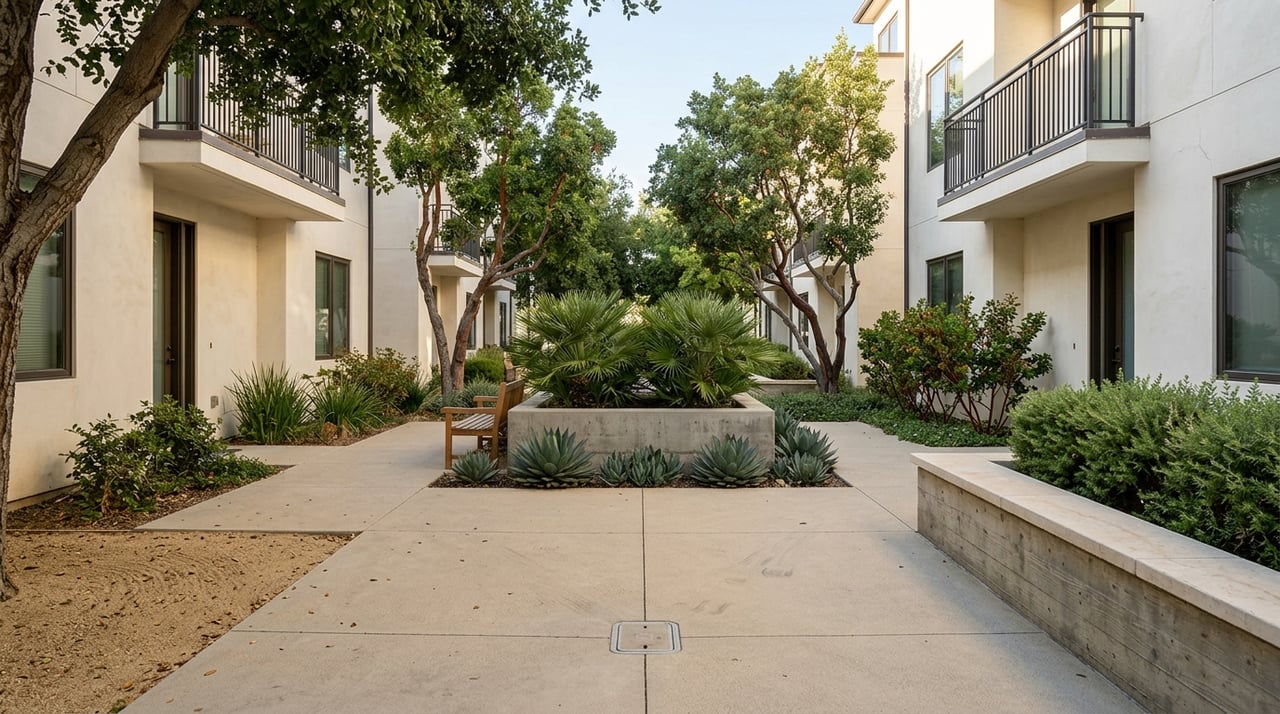
- Mature landscaping and completed community amenities.
Resale trade-offs
- Older systems may require near-term updates.
- Fewer builder incentives and limited warranty coverage.
- Renovations can add cost and time after closing.
Price and value in Irvine
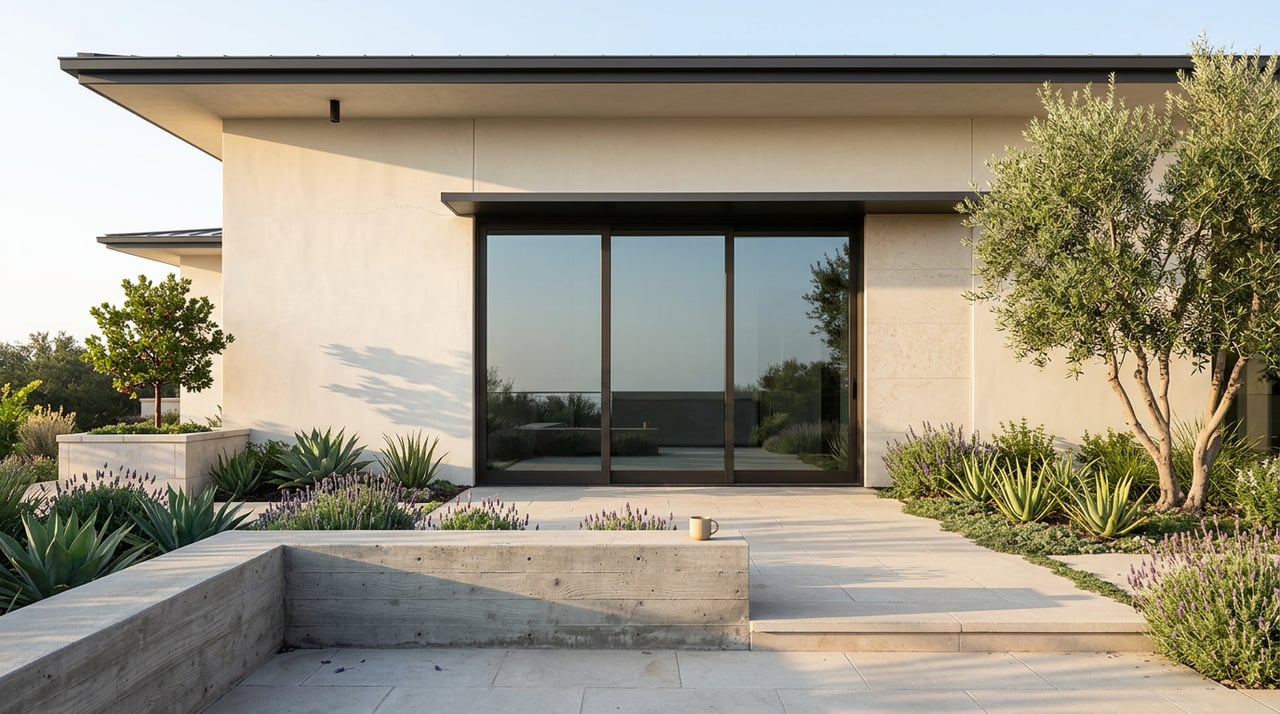
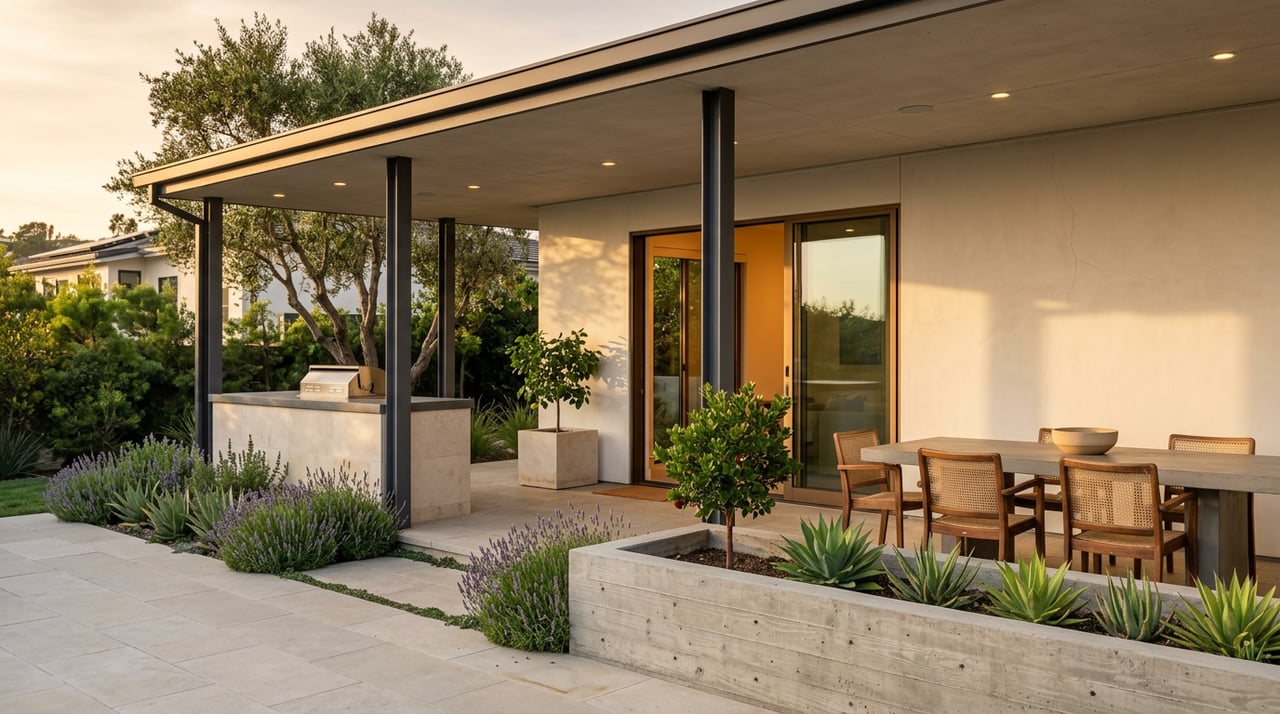
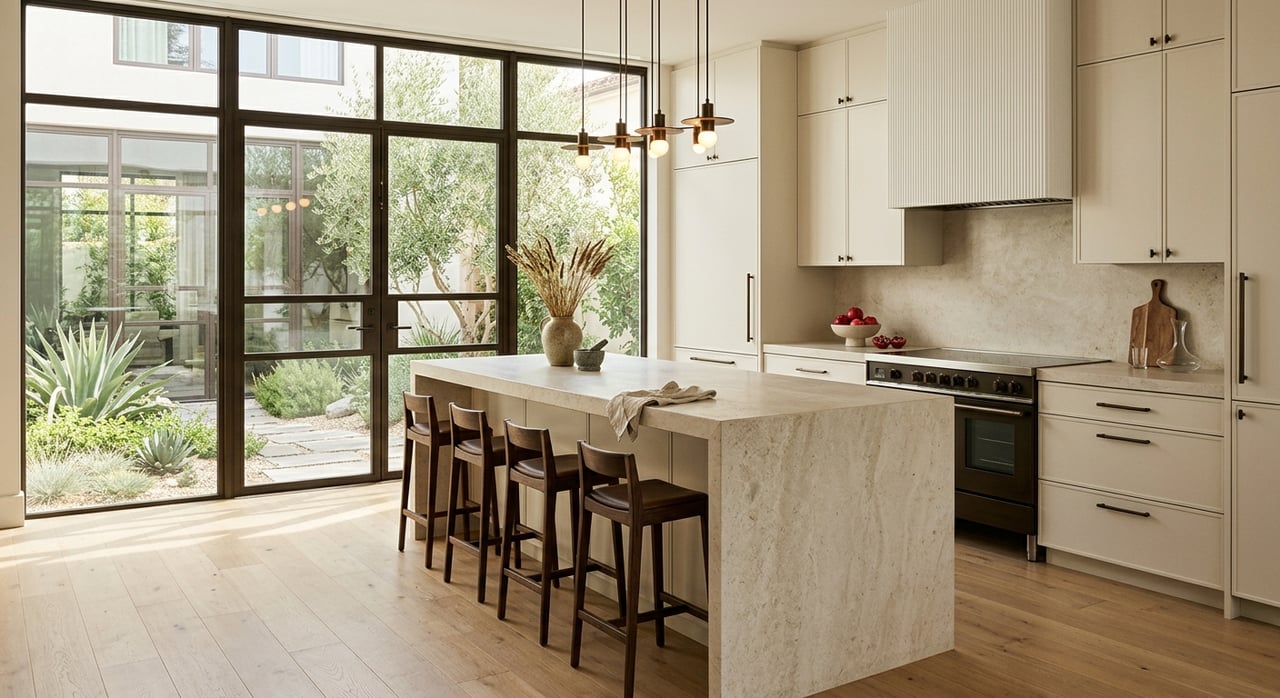
In Irvine’s master-planned communities, new homes commonly carry a price premium because of modern design, new finishes, and access to new parks or pools. That premium varies by builder, product type, and your upgrade choices. Resale homes can offer stronger short-term value, especially if they need cosmetic updates.
Micro-location matters across Irvine. Proximity to the Irvine Business Complex, Spectrum, schools, and freeway access can lift resale value where location benefits are immediate. Newer master plans, including areas near Great Park and Portola, may command premiums for amenities but can sit farther from mature neighborhood centers.
When comparing options, focus on the trade-off between a higher upfront price for new features versus the cost and timing of renovations in a resale. Price per square foot is helpful, but the full picture includes upgrades, taxes, HOA, and energy use.
Taxes, Mello-Roos, and monthly costs
California reassesses property at the time of sale. Your purchase price becomes the new base for property taxes under Proposition 13, whether you buy new or resale. With new construction, you may also receive supplemental property tax bills that reflect completion of improvements.
Many newer Irvine communities include Mello-Roos special taxes that fund infrastructure and amenities. These charges are added to your property tax bill and can last for decades. Always confirm whether a home is inside a Community Facilities District, the current annual assessment, any escalation, and the bond expiration timeline.
HOA fees vary. A simple single-family neighborhood with basic landscaping may have modest dues. Amenity-rich communities with pools, gyms, or gated entries typically have higher dues. For new communities, early HOA budgets can be estimates, so review reserves and planned capital projects closely.
Energy costs often favor new builds. California’s recent energy standards mean new homes typically include efficient insulation, HVAC, and, for most new single-family homes built after 2020, solar. Older resale homes can be upgraded, but factor those costs into your plan.
Financing, appraisals, and incentives
Resale purchases usually follow a familiar path with conventional financing and an appraisal based on comparable sales. New construction adds a few wrinkles. Builders set base prices and offer upgrades that can raise your total. Lenders still appraise against nearby comps, so if contract price exceeds recent sales, you could face an appraisal gap that you, the builder, or incentive programs must address.
Builder incentives change with market conditions. You may see rate buydowns, closing cost credits, or included upgrades. For heavily customized or under-construction homes, specialty financing or construction-to-permanent loans may apply. Ask early about deposit schedules, loan requirements, and appraisal protections.
Warranties, inspections, and quality control
California’s Right to Repair law, often known as SB 800, sets performance standards and outlines how builders address construction defects. Typical coverage includes about one year for workmanship and materials, two years for major systems like plumbing, electrical, and HVAC, and up to ten years for qualifying structural components.
Even with a builder warranty, plan independent inspections. A pre-drywall inspection can catch issues before walls are closed, and a final inspection or detailed punch list helps you document items for repair. Keep written records and follow the builder’s notification process so your warranty remedies stay intact.
For resale homes, warranty coverage depends on the property’s age and any existing policies from prior sellers. Review disclosures and consider a third-party home warranty for added peace of mind.
Timeline and move-in logistics
Resale timelines are straightforward. Most escrows close in 30 to 45 days, with inspections and contingencies in the first one to two weeks. You usually take possession at closing.
New construction varies. Completed spec homes can close on resale-like timelines. Production homes often need 3 to 9 months from contract to completion, with variability due to materials, labor, or permitting. If you are planning a concurrent sale and purchase, build in flexibility in case delivery dates move.
Builder contracts can differ from standard MLS forms. Expect staged deposits, clear upgrade pricing, and dispute resolution or arbitration language. Clarify cancellation rights, deposit refund terms, and how the builder handles items unfinished at closing.
Cost comparison checklist
Use this list to compare a specific new-build community against a resale home you like:
- Total cost picture
- Base price plus upgrades and options
- Estimated property tax, Mello-Roos, and HOA dues
- Expected utilities and maintenance
- Financing and appraisal risk
- Does price exceed recent comps
- Any appraisal gap coverage or incentives offered
- Warranties and service
- Written warranty terms and claims process under SB 800
- Timelines for repairs and escalation path
- Timeline and move-in plan
- Realistic completion window and remedies for delay
- Lease-back or rent options if your timing is tight
- HOA and community health
- CC&Rs, rules, budgets, and reserve studies
- Any pending litigation or special assessments
- Special taxes and assessments
- CFD status, annual cost, escalation, and bond expiration
- Possible supplemental tax bills after construction
- Energy and systems
- Solar inclusion, HVAC efficiency, and any financing obligations
- Rebate opportunities and maintenance expectations
- Schools and neighborhood context
- Confirm current school assignments and boundary stability
- Visit at different times to assess traffic and noise
- Resale potential
- Community absorption rate and future demand
- Renovation scope and likely return for resales
How to choose the right fit
If you value modern design, lower near-term maintenance, and warranty protection, new construction may align with your lifestyle. If micro-location, mature streetscapes, and near-term price flexibility matter most, a resale could be the better match. Many Irvine buyers end up comparing one new build and one resale side by side, then choosing based on total cost of ownership and timing.
Keep your numbers simple and comparable. Price the resale with planned renovations. Price the new build with realistic upgrades and Mello-Roos. Then weigh timing, warranty comfort, and location priorities. The best choice is the one that matches your budget and how you want to live in the next five to ten years.
Work with a local advisor
You should not have to decode builder contracts, tax districts, and appraisal risks alone. Our team helps you price upgrades vs renovations, confirm Mello-Roos and HOA budgets, and negotiate the right protections so your move stays on track. When you are ready to compare specific Irvine homes, reach out to the local experts at Active Realty, Inc. for a clear, data-informed plan.
FAQs
What is Mello-Roos in Irvine and how does it affect costs
- Mello-Roos is a special tax tied to certain newer communities that funds infrastructure and amenities, added to your property tax bill for a set period with possible annual escalations.
How do new construction warranties work in California
- New homes are covered by SB 800 performance standards with typical coverage of about one year for finishes, two years for major systems, and up to ten years for qualifying structural defects.
Will a new Irvine home lower my utility bills
- Often yes, since recent energy standards require efficient systems and, for most new single-family homes built after 2020, solar, though HOA dues or special taxes can offset savings.
What happens if a new home appraisal comes in low
- Your lender values the home against recent comparable sales; if the appraisal is short, you, the builder, or incentives must cover the gap or you may need to renegotiate.
How long does it take to buy new vs resale in Irvine
- Resale escrows often close in 30 to 45 days, while production new builds commonly take 3 to 9 months from contract to completion, with possible delays from labor, materials, or permits.