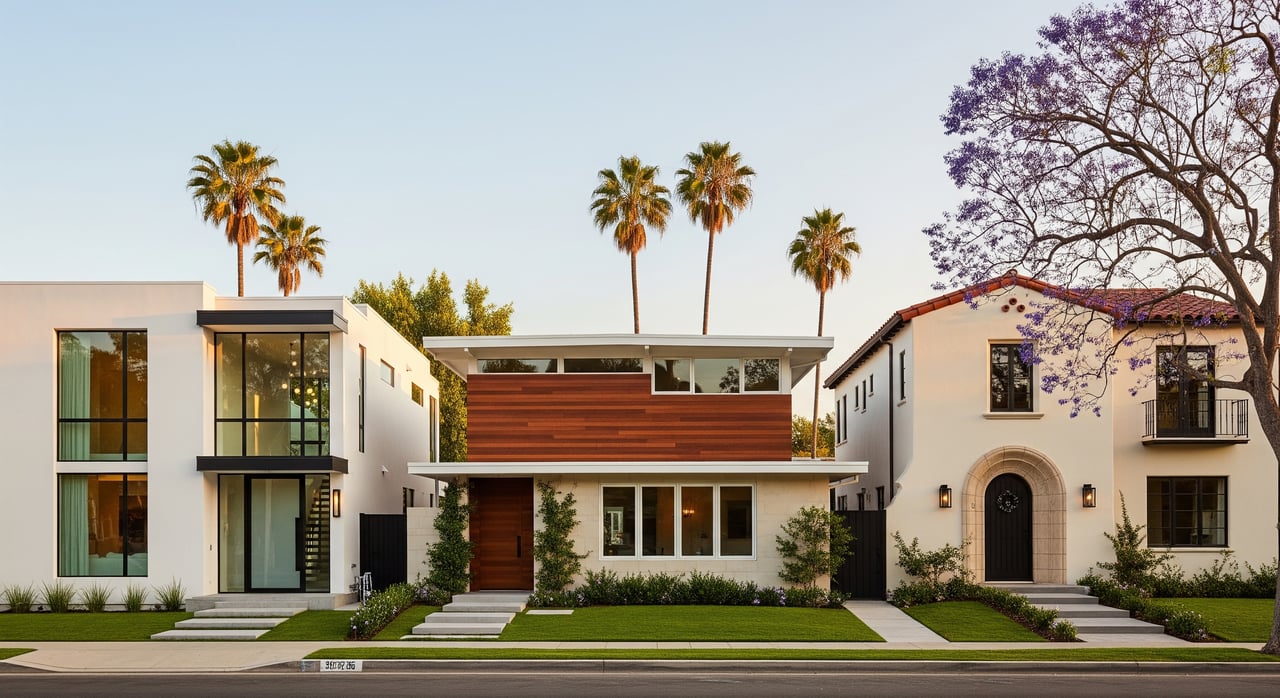
Can you tell a Spanish Revival from a Mid-Century at a glance? In Los Angeles, style is more than curb appeal. It shapes how you live, what you maintain, and how you remodel. Whether you are touring open houses or prepping to sell, understanding LA’s signature styles helps you make smarter decisions. In this guide, you’ll learn the visual cues, floor plans, outdoor spaces, and renovation realities for the most common local home types. Let’s dive in.
LA home style snapshot
Los Angeles grew in waves, and each era left a distinct housing legacy. Early 1900s neighborhoods introduced Craftsman bungalows and Spanish Revival homes. Postwar growth brought Mid-Century Modern and ranch houses across the city and Valley. Recent decades added contemporary infill and architect-designed hillside builds.
The Mediterranean climate and indoor-outdoor lifestyle show up in almost every style. You will see courtyards, patios, and glass walls connecting to yards and decks. Hillside lots pushed architects to create multi-level plans with dramatic views, especially in the Hollywood Hills and Silver Lake.
Spanish Revival basics
Spanish and Spanish Colonial Revival homes took off from the 1910s into the 1930s. Many newer Mediterranean-leaning houses borrow the look.
Visual cues
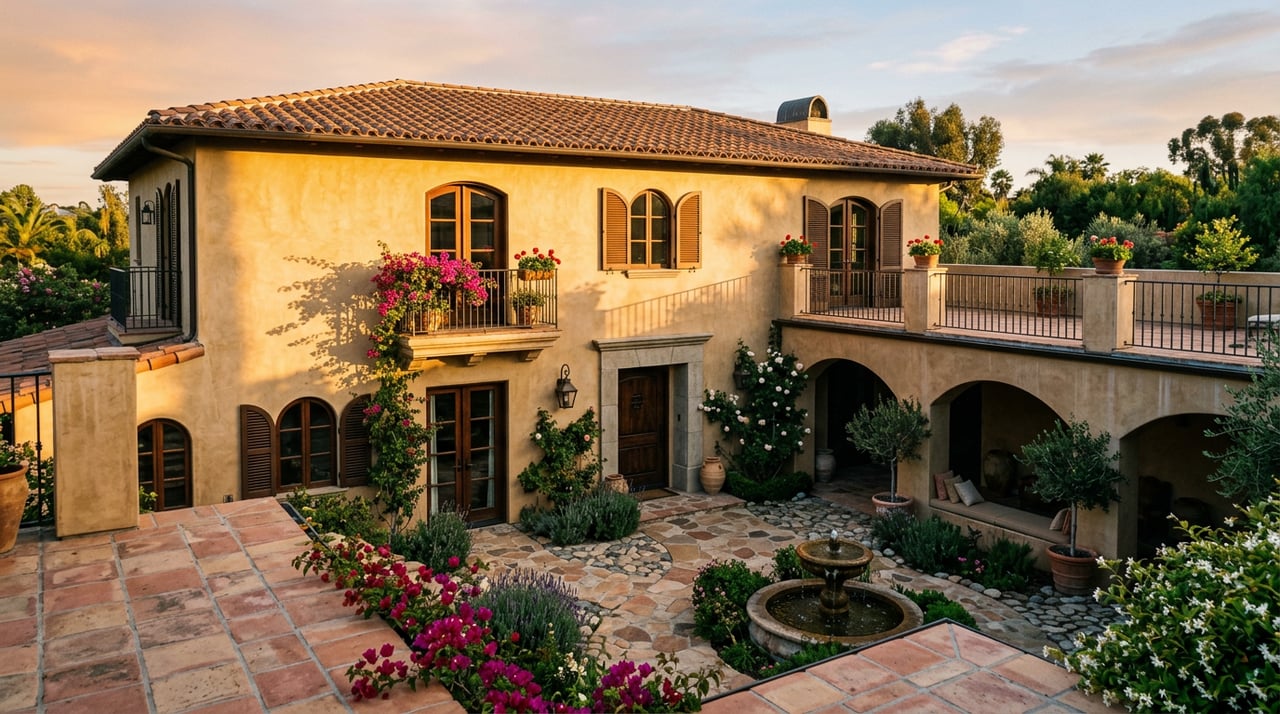
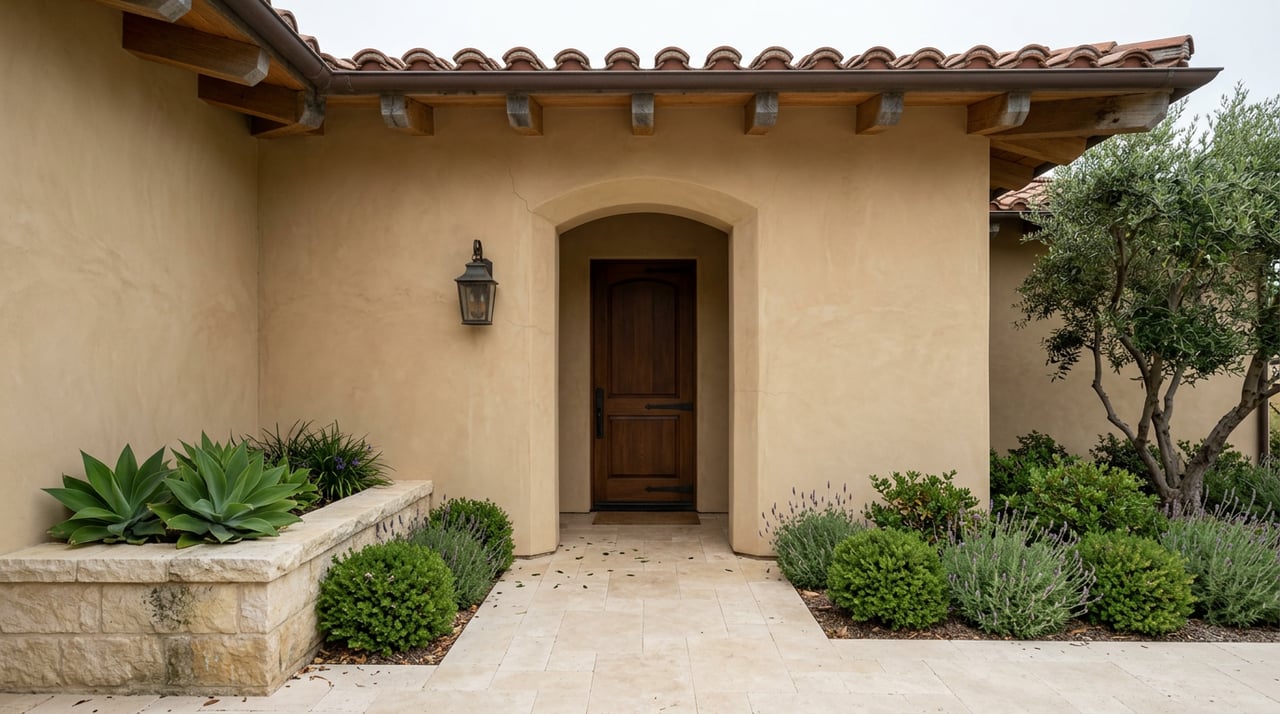
Look for white or buff stucco, red clay tile roofs, arched openings, wrought-iron accents, and colorful decorative tile. Older homes often showcase thick plaster walls and rustic wood details.
Floor plan and flow
Most are single story or one-and-a-half stories, with rooms organized around a living room or courtyard. You will often find a smaller entry, a separate dining room, and grouped bedrooms for cross-ventilation.
Outdoor spaces
Central courtyards, tiled patios, and covered loggias are common. Landscaping often leans drought tolerant.
Maintenance and updates
Stucco can hide moisture intrusion, so inspect flashing and window transitions carefully. Clay tiles last, but underlayment can fail and may require reroofing. Vintage tile is fragile and can be costly to match. Opening walls for a modern plan typically needs structural work, so many owners create selective openings to preserve character.
Where you will find them
Hancock Park, West Adams, Highland Park, and parts of Silver Lake, Echo Park, and Pasadena feature strong examples. For nearby garden properties and the practical questions behind an older-house purchase, explore the San Marino home and neighborhood guide.
Craftsman and bungalows
Craftsman and California bungalows dominated from the early 1900s to the 1920s. They emphasize natural materials and front-porch living.
Visual cues
Expect low-pitched gables, wide eaves with exposed rafters, tapered porch columns on sturdy piers, and wood siding or shingles. Inside, built-ins, wainscoting, and window seats are common.
Floor plan and flow
Footprints are compact, usually one or one-and-a-half stories. The porch leads to a living room, often with a fireplace, then a dining room and kitchen, with bedrooms toward the back.
Outdoor spaces
A welcoming front porch acts as a social zone. Backyards are modest and often paired with detached garages in older neighborhoods.
Maintenance and updates
Wood siding and trim need paint and periodic rot repair. Termite inspections are important. Kitchens and baths can be small, so renovations often focus on reconfiguring space while protecting original millwork. Upgrading insulation and HVAC without harming interior details takes planning.
Where you will find them
Highland Park, Echo Park, Silver Lake, Los Feliz, Atwater Village, and Pasadena’s Bungalow Heaven.
Mid-Century Modern cues
From the 1940s through the 1960s, Mid-Century Modern changed how Angelenos live. The Case Study influence favored light, structure, and indoor-outdoor continuity.
Visual cues
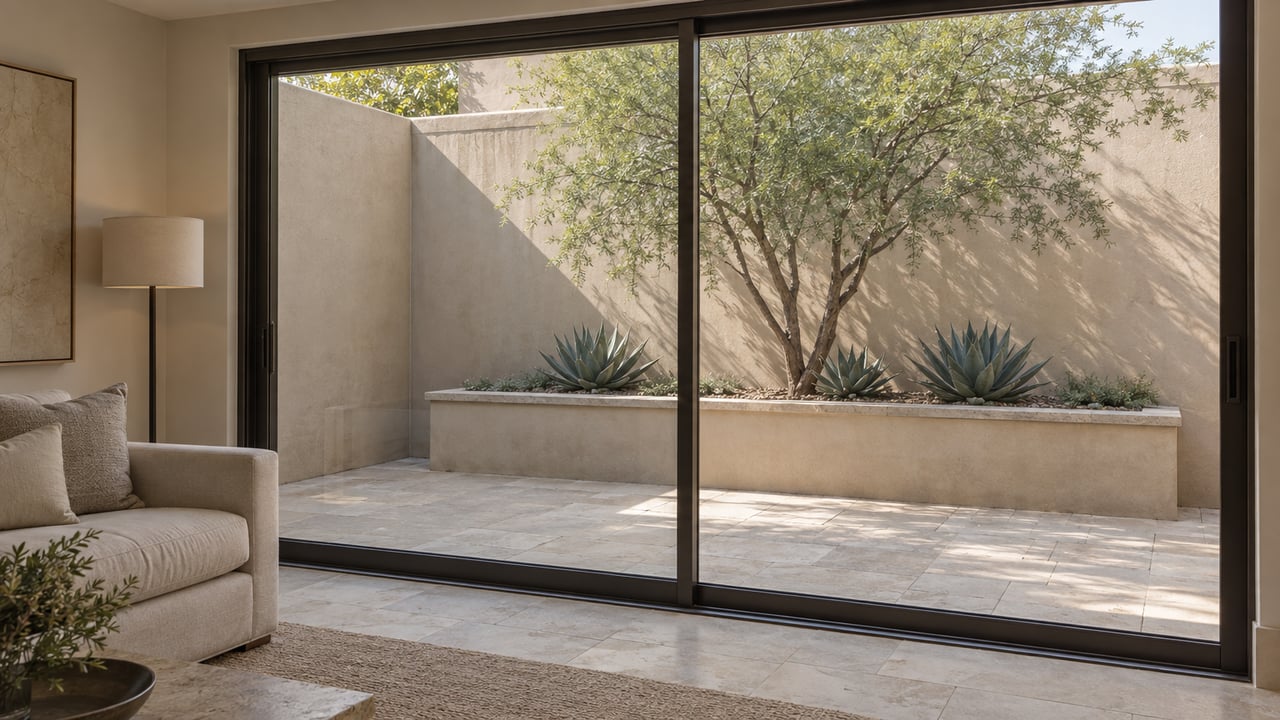
Look for horizontal lines, flat or low-slope roofs, post-and-beam framing, large panes of glass, and minimal ornamentation. Some homes use carports instead of enclosed garages.
Floor plan and flow
Open living, dining, and kitchen zones connect to patios and decks through sliding glass doors. Layouts are often single level or split level and oriented to views and light.
Outdoor spaces
Expect broad patios, modest or naturalistic yards, and roof decks on hillside homes.
Maintenance and updates
Single-pane glazing can perform poorly, and replacement should keep slim profiles, especially in designated historic properties. Flat roofs require careful attention to drainage and membranes. Inspect beams and connections for rot or corrosion. Update kitchens and baths while preserving open sightlines.
Where you will find them
Hollywood Hills, Silver Lake, Los Feliz, West Hollywood, Mount Washington, and pockets across the San Fernando Valley.
Ranch and postwar homes
Ranch and postwar tract houses spread across LA from the 1950s to the 1970s.
Visual cues
These homes are typically single story or split level, with attached garages, simple facades, and wider lots. Exteriors may be stucco, brick veneer, or siding.
Floor plan and flow
Kitchens often open to a family room, and a sliding door leads to a backyard patio. Earlier examples may keep a more formal living and dining room separate.
Outdoor spaces
Backyards support play areas and pools, with driveways and garage-forward fronts.
Maintenance and updates
Original mechanical systems may be at the end of their service life. Attic insulation and duct upgrades can boost comfort and efficiency.
Where you will find them
Many neighborhoods across the Valley, parts of the South Bay, and eastern areas of the city.
Contemporary and infill
Late 20th century to today brought architect-designed and infill homes across the basin.
Visual cues
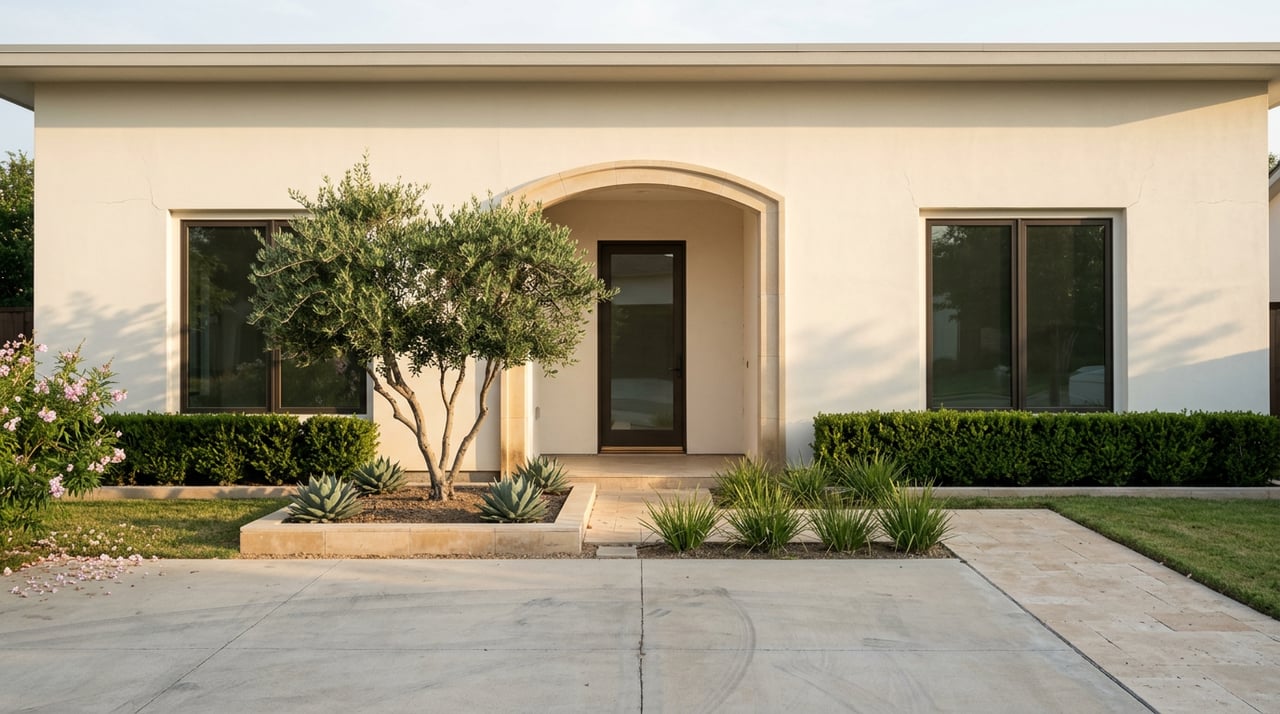
Expect mixed materials such as glass, steel, and wood, with flat roofs, asymmetry, and expansive windows. Detailing is minimal, and massing varies with site.
Floor plan and flow
Plans are often open and multilevel, especially on hillsides. Large sliding or folding doors set up strong indoor-outdoor living. Multiple terraces and roof decks are common.
Outdoor spaces
Courtyards, terraced gardens, and integrated pools and outdoor kitchens are typical.
Maintenance and updates
High-end finishes can be expensive to repair. Structural complexity and extensive glazing call for specialized inspections and experienced contractors.
Where you will find them
Hollywood Hills, Venice, Silver Lake, Los Feliz, and parts of West LA.
Small multi-family types
Los Angeles has many duplexes, triplexes, and small apartment buildings in both historic and postwar styles.
What to expect
Units can be stacked or side by side with shared entries and small private yards or common green space. Older buildings may carry Spanish or garden-apartment cues.
Maintenance and rules
Rental habitability rules, potential soft-story retrofits, and specialized permitting apply. Adding units or ADUs requires careful review of zoning and retrofit obligations.
Renovation and permits
A little diligence upfront saves time and money in LA.
Historic districts
Many neighborhoods have Historic Preservation Overlay Zones. Exterior changes like additions, window replacements, and facade shifts may require local review. Interiors are usually less restricted. Always verify a property’s status before planning exterior work.
ADUs and JADUs
California has streamlined ADU and JADU approvals, and Los Angeles provides city-specific pathways. Some setback and parking rules are relaxed, but site conditions and utilities still matter. Historic properties or HPOZ locations may need design review for ADUs.
Seismic basics
Earthquakes are a fact of life. Common single-family upgrades include bolting the sill plate to the foundation, bracing cripple walls, and addressing unreinforced chimneys. Multi-family soft-story buildings may face mandatory retrofit programs within the city.
Energy upgrades
Older homes often have minimal insulation and single-pane windows. High-impact upgrades include attic insulation, duct sealing, efficient HVAC, and window improvements that respect historic proportions where required. Title 24 energy code affects significant remodels, including windows, insulation, and mechanicals.
Permit triggers
Expect permits for structural changes, additions, roofline changes, new windows in historic districts, garage conversions, ADUs, and most electrical, plumbing, and HVAC work beyond minor repairs.
Hire the right pros
Tile roofs, flat membranes, large glass replacements, stucco rehabilitation, and seismic retrofits are specialized. Seek contractors and architects with local experience in your home’s style and, if applicable, with historic board reviews.
What this means for you
Your style preference affects cost, comfort, and timeline. Knowing the tradeoffs helps you plan renovations and compare listings fairly.
Buyer pros and cons
- Spanish Revival: Character-rich, strong indoor-outdoor living. Watch for hidden moisture in stucco and underlayment age beneath clay tiles.
- Craftsman/Bungalow: Warm scale and beautiful millwork. Expect smaller kitchens and plan for wood repair and termite diligence.
- Mid-Century Modern: Open plans and light. Budget for glazing, flat roof care, and possible system updates.
- Ranch/Tract: Practical layouts and larger lots. Systems may need comprehensive upgrading.
- Contemporary/Infill: Modern systems and efficient layouts. Higher purchase prices and specialized maintenance are possible.
Resale and staging
Preserving period details while updating kitchens and baths resonates with many LA buyers. Clarify HPOZ rules early if the property is historic. Highlight indoor-outdoor flow, outdoor rooms, and energy or seismic upgrades in your marketing.
Common renovation priorities
- Kitchen modernization that respects original character.
- Improving patio access and yard usability.
- Systems upgrades for comfort and insurance.
- Roof and seismic work for safety and code compliance.
Inspection checklist
Add these to your standard inspection list.
- All homes: foundation condition, roof condition, drainage grading, termite/pest report, electrical panel age, HVAC age.
- Spanish/Stucco: stucco cracks, roof-wall flashing, clay tile underlayment condition.
- Craftsman/Wood: rot and termite risk, siding and trim condition, integrity of built-ins.
- Mid-Century: flat or low-slope roof membranes, post-and-beam connections, extent of single-pane glass, potential asbestos or lead in older materials.
- Multi-family/Older: soft-story conditions, legal status of units, electrical capacity.
For a San Gabriel Valley comparison, explore Arcadia homes and architectural review areas. Compare established houses with later construction, review the actual permit history and confirm any exterior-design approval process before choosing a renovation plan.
Next steps
If you are narrowing your search, start with style fit. Then align your budget with likely upgrades and any local review or permit needs. When you are ready to compare options or prep your home for market, our team can help you weigh tradeoffs and plan a clear path forward.
Have questions about a specific property or neighborhood? Reach out to the Justin Tye Real Estate Group at Active Realty, Inc. for local guidance and a tailored plan. Get a free home valuation.
FAQs
What defines a Spanish Revival home in LA?
- Stucco walls, clay tile roofs, arched openings, wrought-iron details, and courtyards are the key visual cues, often from the 1910s to 1930s.
How do I identify a Mid-Century Modern house?
- Look for flat or low-slope roofs, post-and-beam structure, large panes of glass, open plans, and strong indoor-outdoor connections from the 1940s–1960s.
Are Craftsman kitchens usually small?
- Many Craftsman and bungalow homes have compact kitchens and baths; renovations often reconfigure space while protecting original millwork.
What should I inspect on a flat-roof Mid-Century?
- Verify roof membrane condition and drainage, check beam and post connections for rot or corrosion, and evaluate window performance.
Can I add an ADU in a historic district?
- Often yes, but expect design review and property-specific rules; confirm HPOZ status and city permitting pathways early.
Do older LA homes need seismic upgrades?
- Many benefit from bolting, bracing cripple walls, and chimney safety work; multi-family soft-story buildings can face mandatory retrofits.
What neighborhoods feature Spanish or Mid-Century homes?
- Spanish examples appear in Hancock Park, West Adams, and Highland Park; Mid-Century is common in the Hollywood Hills, Silver Lake, and Los Feliz.
For a western county comparison, explore the Agoura Hills real estate guide. It connects the housing choices in Old Agoura, Morrison Ranch and Lake Lindero with lot usability, renovation questions and ownership costs.
To compare these style questions in a nearby Westside city, explore the Culver City home and neighborhood guide. It connects Carlson Park streets, Culver Crest hillside properties and Fox Hills attached housing with the address, ownership and inspection questions to bring to a home tour.
Explore Beverly Hills architecture and neighborhoods for Trousdale's design history and the address-specific questions to ask before planning a renovation.
For a street-by-street San Gabriel Valley comparison, use the Baldwin Park homes and neighborhood guide. Compare the original layout, later additions, usable lot and documented permits of each established house. An architectural appearance alone does not establish the age, approval status or practical value of an alteration.
In Southeast LA, the Bell real estate and neighborhood guide applies these ownership questions to established housing and the Gage and Atlantic corridors. Compare documented living space, prior alterations, parking and permit history alongside architectural appearance.
To compare these architectural features in an established southeast county city, use the Downey homes and neighborhood guide. It covers Orange Estates, expanded houses, downtown ownership options and the records to check before planning a remodel.
Architecture is only one part of a foothill home comparison. Use our guide to homes in La Cañada Flintridge to weigh an established house's layout and documented improvements alongside its lot, driveway, landscape and mountain setting.
For a southeast Los Angeles County comparison, explore the Bell Gardens real estate guide. Alongside architectural style, its established homes and manufactured-home communities make land ownership, legal unit count and ongoing costs useful questions for a first tour.
See the West Hollywood architecture and housing guide for the Schindler House, small-lot residential districts and the design-review questions behind a renovation.