If you are thinking about selling your home in Corona, timing and strategy matter more now than they did in a pure frenzy market. Buyers are still active, but they are also more selective, more price-aware, and quicker to compare your home against every other option online. The good news is that with the right preparation, pricing, and launch plan, you can still put yourself in a strong position. Let’s dive in.
Corona Market Conditions Today
Corona remains a seller-leaning market, but it is no longer a market where almost any home will fly off the shelf at any price. Current data points show a mix of signals: Zillow reports an average home value of about $765,560 and homes going pending in around 22 days, while Redfin reports a median sale price near $784,595 and about 45 days on market. Realtor.com shows a median listing price of $774,999 with a 100% sale-to-list ratio in March 2026.
What does that mean for you as a seller? It means buyers are still out there, but pricing and presentation carry more weight than they did when demand was more aggressive. A polished launch can still capture strong interest, while an overpriced or underprepared listing may sit longer and need reductions.
Corona Neighborhood Pricing Is Not One-Size-Fits-All
One of the biggest mistakes sellers make is relying too heavily on citywide averages. Corona has meaningful variation by area, and those differences can affect both your list price and expected time on market.
Realtor.com data shows South Corona around $950,000 with 57 days on market, The Retreat around $930,000 with 74 days, Central Corona around $690,000 with 42 days, and North Corona around $749,900 with 42 days. That spread is a reminder that your pricing strategy should reflect your neighborhood, your home’s condition, and your property type, not just a headline number for the whole city.
Why hyper-local pricing matters
Buyers do not shop Corona as one broad category. They compare homes in the same general area, with similar size, condition, and features. If your home enters the market above where those buyers see value, they may skip it before they ever visit.
That is why a strong pricing plan starts with neighborhood-level comps and a realistic look at your competition. In this market, the right number can help create momentum early, and early momentum often shapes your final result.
The First Week Matters Most
The early days of your listing can set the tone for the entire sale. Zillow found that homes that went pending within seven days were 2.6 times more likely to sell above asking than the typical listing in February 2026. At the same time, Redfin reports that the average Corona sale comes in about 1% below list.
Taken together, those trends point to a simple truth: the market rewards homes that are positioned correctly from day one. If your home misses that first wave of buyer attention, you may face less leverage later.
What buyers notice right away
When your home goes live, buyers usually judge it quickly based on three things:
- Price compared with similar listings
- Photos and overall presentation
- How move-in ready the home appears
If those three pieces line up, you give yourself the best chance to attract serious showings early. If one of them is off, even a strong home can lose momentum.
Pricing Strategy for Selling in Corona
A smart pricing strategy is not about testing the market with a hopeful number. It is about launching where buyers see value and where competition can build. In a market like Corona, that often creates a better path than starting too high and adjusting later.
Because buyer activity can cluster around well-priced listings, your goal should be to meet the market with confidence. That does not mean underpricing your home. It means pricing in a way that encourages engagement, increases showing activity, and gives buyers a reason to act.
Signs your home is priced well
A well-priced Corona listing often shows these signals in the first week or two:
- Strong online views and saves
- Early showing activity
- Serious buyer questions
- Interest that converts into offers or clear follow-up
If those signals are missing, the market may be telling you something. In this environment, waiting too long to respond can cost time and negotiating power.
Home Prep That Supports Your Price
Preparation is not just about making the home look nice. It is part of your pricing strategy because buyers often decide what a home is worth based on how it feels the moment they see it online and in person.
According to the research, the highest-impact prep work is usually simple and practical. Decluttering, deep cleaning, curb appeal, paint, and landscaping tend to do more for resale appeal than large, expensive projects.
The updates that usually matter most
Before listing, focus on the improvements most likely to shape buyer perception:
- Remove excess furniture and personal items
- Deep clean every room
- Refresh paint where needed
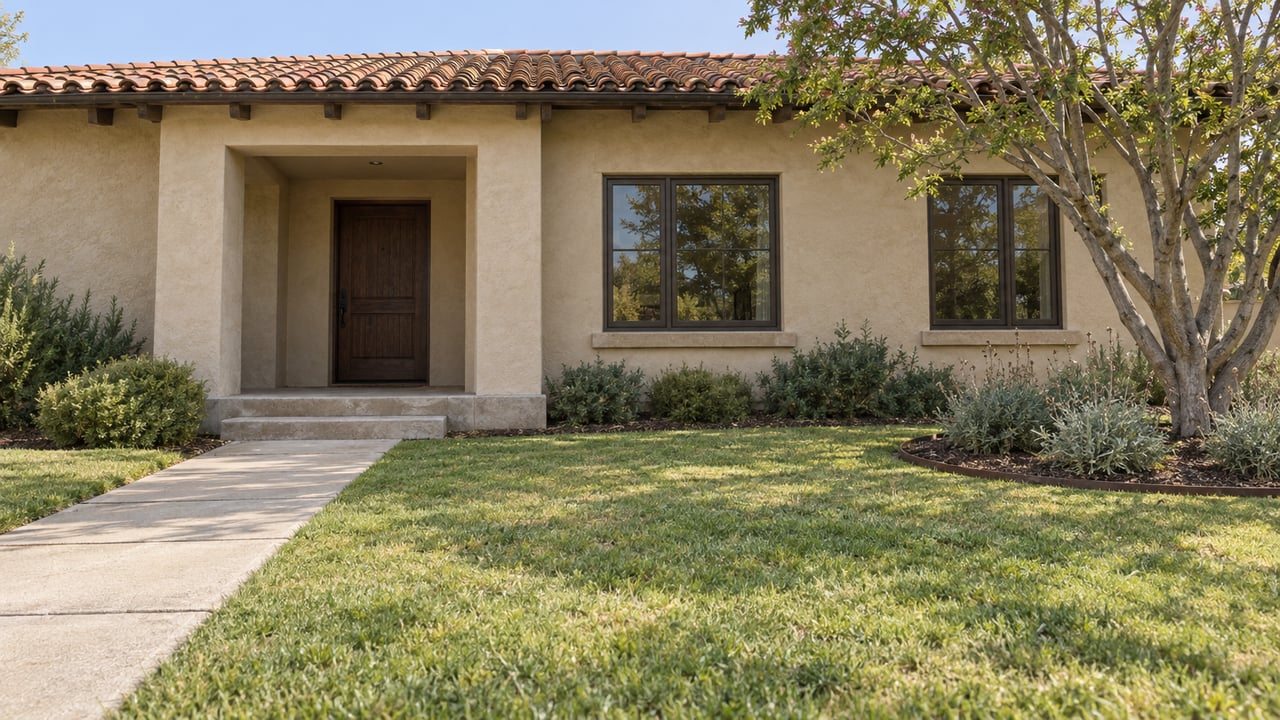
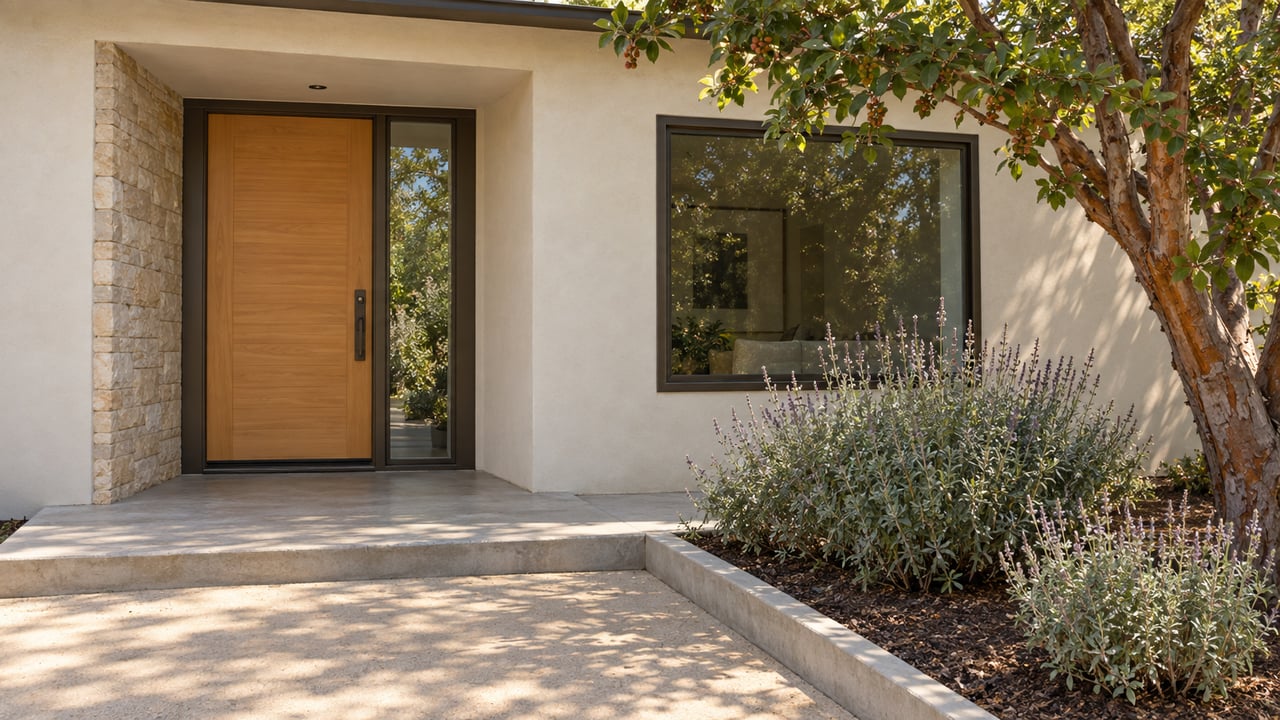
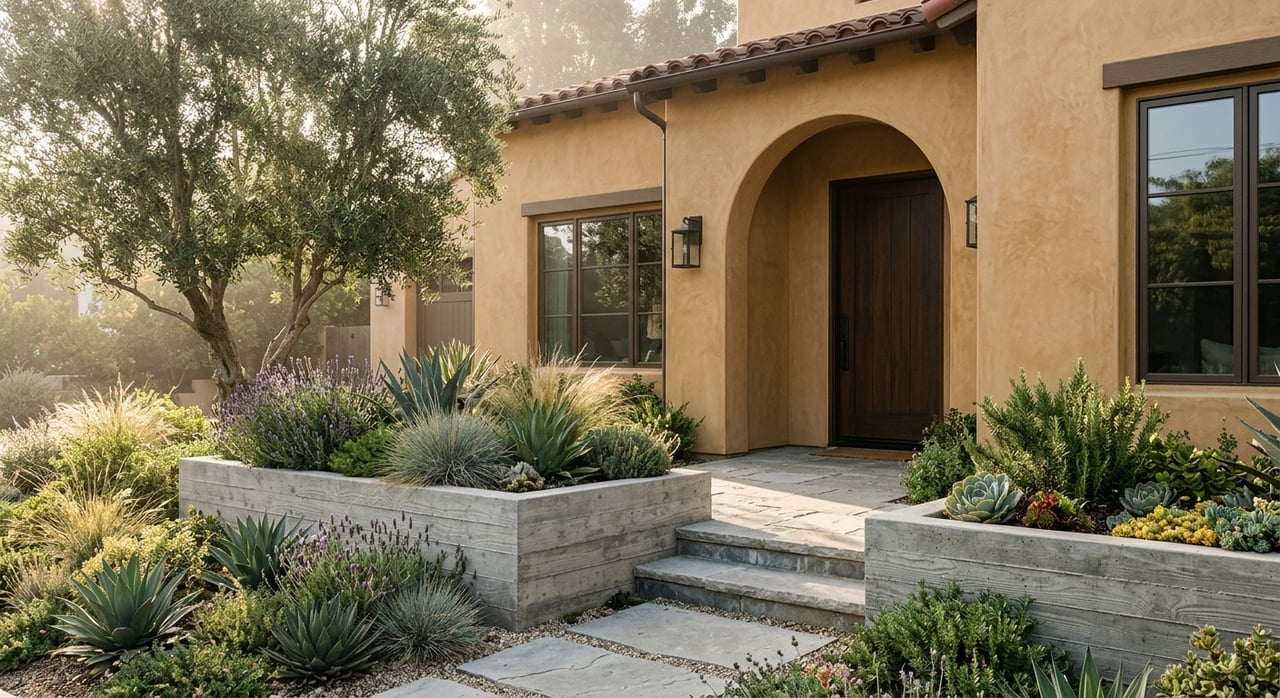
- Improve landscaping and front entry appeal
- Address obvious maintenance issues
These steps help your home feel cared for, bright, and easier for buyers to picture as their own. In many cases, that stronger presentation supports a better launch price and a faster sale.
Staging and Visual Marketing Are Worth Taking Seriously
Staging is not just for luxury listings. NAR’s 2025 staging report found that 83% of buyers’ agents said staging made it easier for buyers to visualize a home. The same report found that 29% of agents said staged homes received offers that were 1% to 10% higher, and 49% of sellers’ agents reported faster sales.
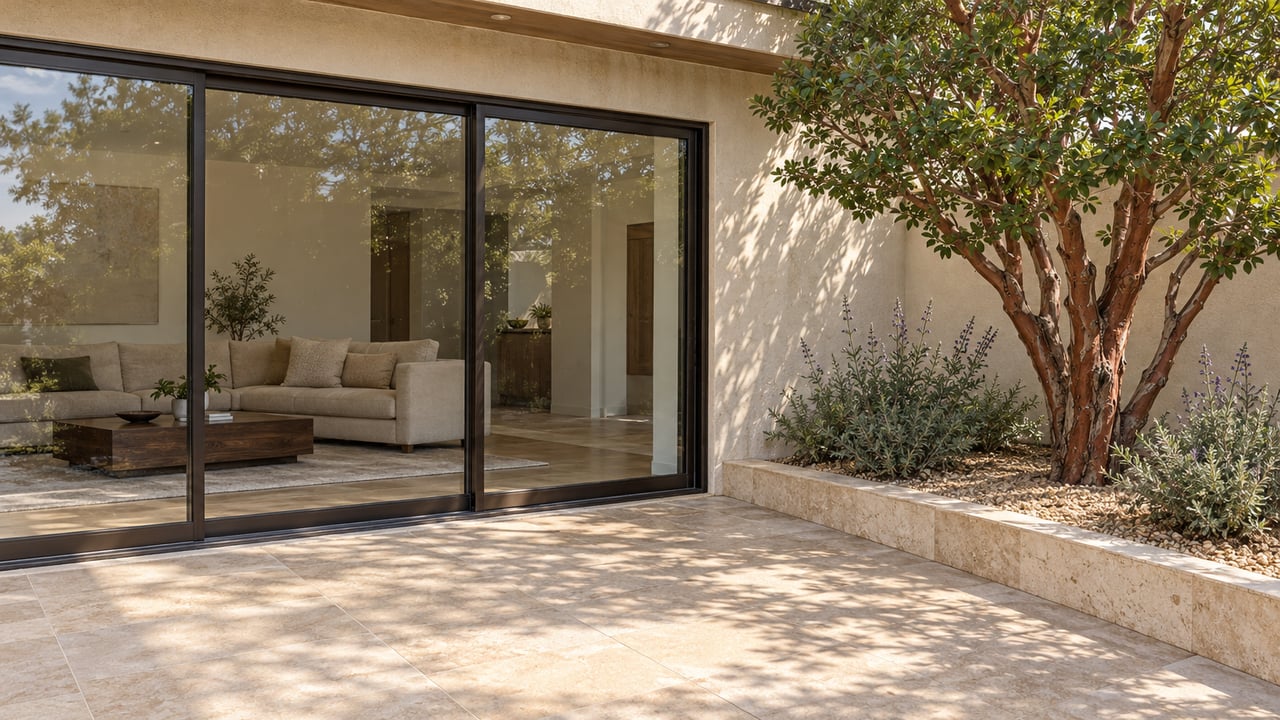
The most commonly staged spaces were the living room, primary bedroom, dining room, and kitchen. If you want to make the biggest visual impact, those are often the rooms to prioritize.
Screen appeal matters before curb appeal
Most buyers will see your home online before they ever step inside. That means photography, video, and virtual tours are not extras. They are part of the core selling strategy.
NAR’s report says buyers’ agents rate photos, physical staging, videos, and virtual tours highly. For you, that means great marketing starts with preparation. A clean, well-staged home usually performs better in both online search results and in-person showings.
Why Broad Exposure Still Wins
Maximum visibility is especially important in a market that is active but selective. Zillow notes that publicly listing on the MLS syndicates a home to major portals such as Zillow and Redfin. It also cites a 2023 BrightMLS and Drexel study showing MLS-listed homes sold for 17.5% more than off-MLS listings.
For a Corona seller, that supports a launch strategy built around broad distribution, not limited exposure. The more qualified buyers who see your home in the critical first days, the better your chance of attracting strong interest.
Best Timing to Sell in Corona
If you are planning ahead, the research supports giving yourself a real runway. Zillow says higher returns generally occur from March through July, and Thursday is the strongest day to list. Realtor.com also identified the week of April 12 to 18, 2026, as the best national week to sell.
That said, timing is not only about the calendar. It is also about readiness. A well-prepared home launched at the right price often outperforms a rushed listing put on the market during a so-called perfect week.
How far ahead should you start?
Most sellers benefit from starting sooner than they think. Realtor.com found that 53% of sellers took one month or less to get ready to list, while Zillow’s 2025 seller survey found the typical seller spent 3 to less than 4 months seriously thinking about selling before listing.
A practical timeline for many Corona homeowners is 6 to 12 months out for early planning, then a focused prep period in the months before launch. That gives you time to handle repairs, sort out disclosures, improve presentation, and choose your listing window carefully.
Mortgage Rates Affect Buyer Demand
Even if your home is beautifully prepared, affordability still shapes buyer behavior. Freddie Mac reported a 6.48% average 30-year fixed mortgage rate for the week of June 4, 2026, down from 6.85% a year earlier.
That change can help some buyers qualify more comfortably, but rates can also move quickly. For sellers in Corona, the takeaway is simple: stay flexible. A thoughtful strategy matters more than waiting for a perfectly predictable market moment.
California Seller Steps to Plan Early
In California, sellers have important disclosure responsibilities, so it is smart to start early. The California Department of Real Estate says the Transfer Disclosure Statement is a condition disclosure, not a warranty, and agents have a visual inspection duty for readily observable defects.
There are also additional disclosure rules that may apply depending on your home and ownership timeline. If your home was built before 1978, federal EPA rules require lead-based paint disclosure and include a 10-day period for a lead inspection or risk assessment. California’s DRE also notes that the Natural Hazard Disclosure Statement includes high fire hazard severity zone information, and contractor work over $500 may need to be disclosed if you took title within the prior 18 months.
Why early disclosure prep helps
Getting organized early can reduce stress later in the process. It can also help prevent last-minute surprises that slow down negotiations or create avoidable concerns for buyers.
Before listing, it helps to gather:
- Past repair and improvement records
- Information about recent contractor work
- Documents tied to required disclosures
- Notes on known property conditions
A smoother file often leads to a smoother transaction.
Your Corona Selling Plan in One View
If you want the strongest possible outcome in today’s Corona market, focus on the fundamentals that matter most. The data points are clear: homes that are accurate, polished, and broadly exposed tend to perform better than homes that rely on guesswork.
A strong selling plan usually includes:
- Pricing based on neighborhood-level comps
- Early preparation, not a rushed launch
- Clean presentation and targeted staging
- Professional visual marketing
- Full MLS exposure for maximum reach
- Early attention to California disclosures
Selling a home in Corona is still full of opportunity, but it rewards precision more than impulse. When your strategy and timing work together, you give yourself a better chance to sell with confidence.
If you are getting ready to sell and want a plan built around your home, your neighborhood, and today’s market conditions, connect with Active Realty, Inc. for a free home valuation.
FAQs
What is the current home selling market like in Corona, CA?
- Corona is still seller-leaning, but it is more balanced than a frenzy market. Current research shows active demand, moderate competition, and strong importance placed on pricing, presentation, and neighborhood-specific strategy.
How should you price a home for sale in Corona?
- You should price based on neighborhood-level comparable sales, your home’s condition, and current competition. Citywide median numbers can be useful for context, but they are not enough to set a precise list price.
When is the best time to list a home in Corona?
- Research suggests higher returns often occur from March through July, and Thursday is considered a strong day to list. Still, the best timing also depends on whether your home is fully prepared and priced correctly.
What home improvements matter most before selling in Corona?
- The most helpful updates are usually decluttering, deep cleaning, fresh paint, curb appeal work, landscaping, and fixing obvious maintenance issues. These steps often improve buyer perception more than expensive remodels.
Do sellers in Corona need to prepare disclosures before listing?
- Yes. California sellers should plan for disclosures early, including the Transfer Disclosure Statement and any other applicable disclosures such as lead-based paint for many pre-1978 homes and natural hazard disclosures.
Does staging help when selling a home in Corona?
- Yes. Research cited in the report shows staging can help buyers visualize the home, support stronger offers, and reduce time on market, especially in key rooms like the living room, primary bedroom, dining room, and kitchen.