18,917 people live in Fillmore, where the median age is 36.4 and the average individual income is $35,460. Data provided by the U.S. Census Bureau.
Total Population
Median Age
Population Density Population Density This is the number of people per square mile in a neighborhood.
Average individual Income
There's plenty to do around Fillmore, including shopping, dining, nightlife, parks, and more. Data provided by Walk Score and Yelp.
Explore popular things to do in the area, including Cornejo's Produce Stand, Francisco's Fruits, and Tacos Zacapu.
| Name | Category | Distance | Reviews |
Ratings by
Yelp
|
|---|---|---|---|---|
| Dining · $$ | 1 miles | 21 reviews | 4.4/5 stars | |
| Dining · $$ | 1.02 miles | 140 reviews | 4.5/5 stars | |
| Dining | 1.02 miles | 20 reviews | 4.7/5 stars | |
| Dining · $$ | 1.7 miles | 4 reviews | 3.5/5 stars | |
| Dining · $ | 1.71 miles | 42 reviews | 4/5 stars | |
| Dining · $ | 1.72 miles | 2 reviews | 4.5/5 stars | |
| Dining | 1.99 miles | 0 reviews | 0/5 stars | |
| Dining · $$ | 2.02 miles | 84 reviews | 3.8/5 stars | |
| Dining | 2.05 miles | 0 reviews | 0/5 stars | |
| Dining · $ | 2.1 miles | 2 reviews | 3/5 stars | |
| Dining | 2.11 miles | 0 reviews | 0/5 stars | |
| Dining | 2.12 miles | 9 reviews | 2.1/5 stars | |
| Shopping | 2.12 miles | 0 reviews | 0/5 stars | |
| Active | 1.5 miles | 1 review | 3/5 stars | |
| Active | 1.81 miles | 1 review | 5/5 stars | |
| Active | 2.01 miles | 25 reviews | 3.6/5 stars | |
| Active | 2.12 miles | 12 reviews | 5/5 stars | |
| Nightlife | 1.98 miles | 1 review | 5/5 stars | |
| Beauty | 2.12 miles | 0 reviews | 0/5 stars | |
| Beauty | 2.12 miles | 15 reviews | 4.5/5 stars | |
| Beauty | 2.12 miles | 10 reviews | 4.9/5 stars | |
| Beauty | 2.12 miles | 3 reviews | 1/5 stars | |
| Beauty | 2.12 miles | 5 reviews | 2.6/5 stars | |
| Beauty | 2.13 miles | 0 reviews | 0/5 stars | |
|
|
||||
|
|
||||
|
|
||||
|
|
||||
|
|
||||
|
|
Fillmore has 5,813 households, with an average household size of 3.22. Data provided by the U.S. Census Bureau. Here’s what the people living in Fillmore do for work — and how long it takes them to get there. Data provided by the U.S. Census Bureau. 18,917 people call Fillmore home. The population density is 204 and the largest age group is Data provided by the U.S. Census Bureau.
Total Population
Population Density Population Density This is the number of people per square mile in a neighborhood.
Median Age
Men vs Women
Population by Age Group
0-9 Years
10-17 Years
18-24 Years
25-64 Years
65-74 Years
75+ Years
Education Level
Total Households
Average Household Size
Average individual Income
Households with Children
With Children:
Without Children:
Marital Status
Blue vs White Collar Workers
Blue Collar:
White Collar:
Fillmore puts a recognizable downtown, a working agricultural valley and several very different housing choices in the same search. Central Avenue gives the city its familiar storefront setting. Elsewhere, an established house on the street grid, a newer home around Heritage Valley Parkway and a property beyond the city boundary can have different ownership responsibilities even when the mailing address says Fillmore. Start by choosing the kind of property and daily routine you want, then compare the homes that actually deliver it.
For a current starting point, Realtor.com's August 2026 Fillmore summary reports a $903,103 median asking price and a $647,500 median sold price. These describe different groups of properties in the provider's reporting area. They are not a typical negotiated discount or an appraisal of a particular home. The useful next step is to narrow the evidence by property type, location, size and condition.
This guide covers incorporated Fillmore in Ventura County's Santa Clara River Valley. Nearby rural areas deserve their own questions about jurisdiction, access and services. If you are comparing other parts of the county, the Camarillo guide offers a different mix of planned neighborhoods, hillsides and regional connections. Neither city is a substitute for checking the exact property and your actual route.
Local sources and market periods reviewed September 16, 2026. Archival photographs are labeled below.
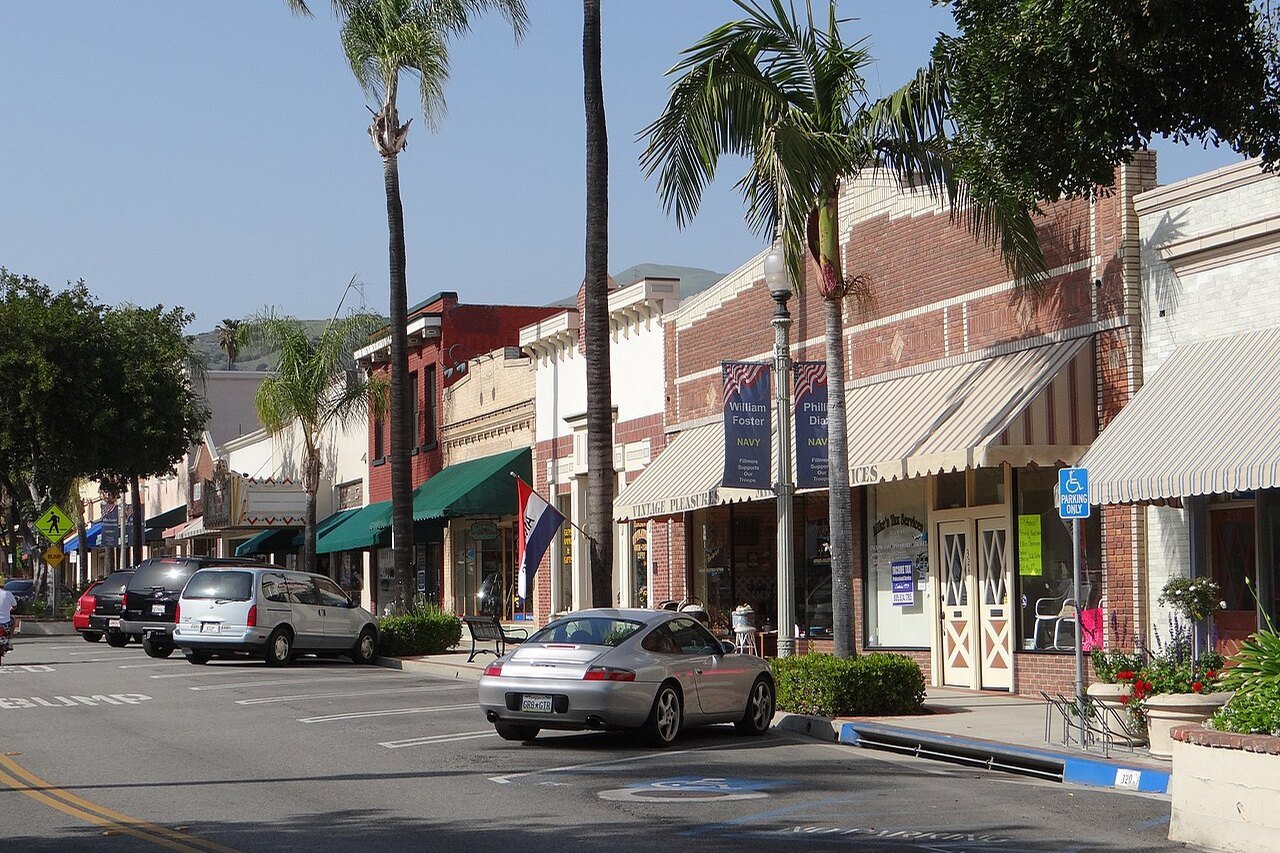
Central Avenue in downtown Fillmore, photographed April 29, 2012 by Cbl62. Archival streetscape; current business tenancies may differ. Photo source.
01 / The directory
Use these areas as a way to organize a tour, not as a set of hard appraisal boundaries. Fillmore's official planning library separates Downtown, Heritage Valley Parks and North Fillmore documents. Those plans explain the city's development framework; an individual property's current zoning, permits and governing documents answer a different question. A plan title alone does not tell you the home's age, whether it has an association or what will be built next door.
Begin around Central Avenue if the downtown setting is part of your reason for moving. Compare the walking route to the places you will actually use, the placement of the garage or driveway and the relationship between the house and nearby commercial activity. A short distance on a map may involve a busy crossing, an indirect sidewalk route or a parking pattern that is hard to judge from listing photos. Visit at the times that matter to you.
For an older home, separate architectural character from the condition of the systems behind it. Ask what is documented about the roof, electrical work, plumbing, drainage and any additions. A polished kitchen does not establish the age of the sewer connection or whether a converted room is permitted living space. Compare homes with similar usable layouts and renovation histories rather than applying one price per square foot to the entire downtown area.
North Fillmore is a named planning area, but it is not a promise that every house shares the same setting or development history. The city's library includes an April 2022 draft specific plan and environmental materials. Treat those as dated planning records. For a home near an undeveloped parcel, ask Planning for the current status of that parcel rather than relying on an older map, a seller's recollection or a model-home brochure.
Here, the useful comparison includes grade, drainage, driveway access, retaining structures and how the outdoor space functions. A view can be valuable to you without being permanent or equally usable from every room. Walk the lot, understand recorded access and obtain property-specific insurance information early. None of those questions can be answered by calling the whole northern side of town a single luxury neighborhood.
The southeastern planning area has its own history, including the city's October 2002 Heritage Valley Parks specific plan. Within today's new-home search, Heritage Grove is a useful named destination to compare with existing resales. The builder's current Orchards page, reviewed September 16, 2026, advertises approximately 2,386 to 3,542 square feet, three to six bedrooms and no HOA. Verify the exact homesite, plan and contract; that description is not a rule for every Fillmore development.
Compare the complete delivered home, not just the model. Clarify which finishes, landscaping, window coverings and features are included, and whether solar equipment is owned or subject to a separate agreement. Ask for the current tax and assessment information for that parcel. A no-HOA description does not establish the entire monthly ownership cost. Builder incentives also need a written comparison of the lender terms and eligibility, not an assumption that the largest advertised credit is the best overall option.
If a condominium, paired home or other attached property is available, begin with the legal ownership form. The exterior appearance will not tell you which structures, insurance policies or maintenance items are shared. Review the association's budget, reserves, insurance, meeting records and any proposed assessment with the appropriate professionals. Two homes with similar interior square footage can have materially different responsibilities and financing considerations.
Also compare sound separation, parking rights, outdoor space and the route from the parking area to the front door. These are ordinary daily-use questions, but they are easy to overlook when an interior has been staged well. Ask which spaces are deeded, assigned or common, and confirm any restrictions that matter to your intended use. Do not assume an advertised patio or extra parking area belongs exclusively to the unit.
Bardsdale, the surrounding valley and properties along rural roads should not automatically be treated as incorporated Fillmore. Start with the parcel's actual jurisdiction. Water supply, wastewater disposal, access, agricultural surroundings and land-use permissions may require different records from those for a house on the city grid. An attractive orchard view is not evidence of water rights, a legal second dwelling or permission for a particular business or animal use.
For a broader relocation comparison, Santa Clarita offers a different regional housing and transportation context to the east. Westlake Village and Agoura Hills provide other comparisons along the 101 corridor. Compare the actual work and errand routes before treating a lower or higher asking price as the whole decision.
Which Fillmore neighborhood fits my plans?
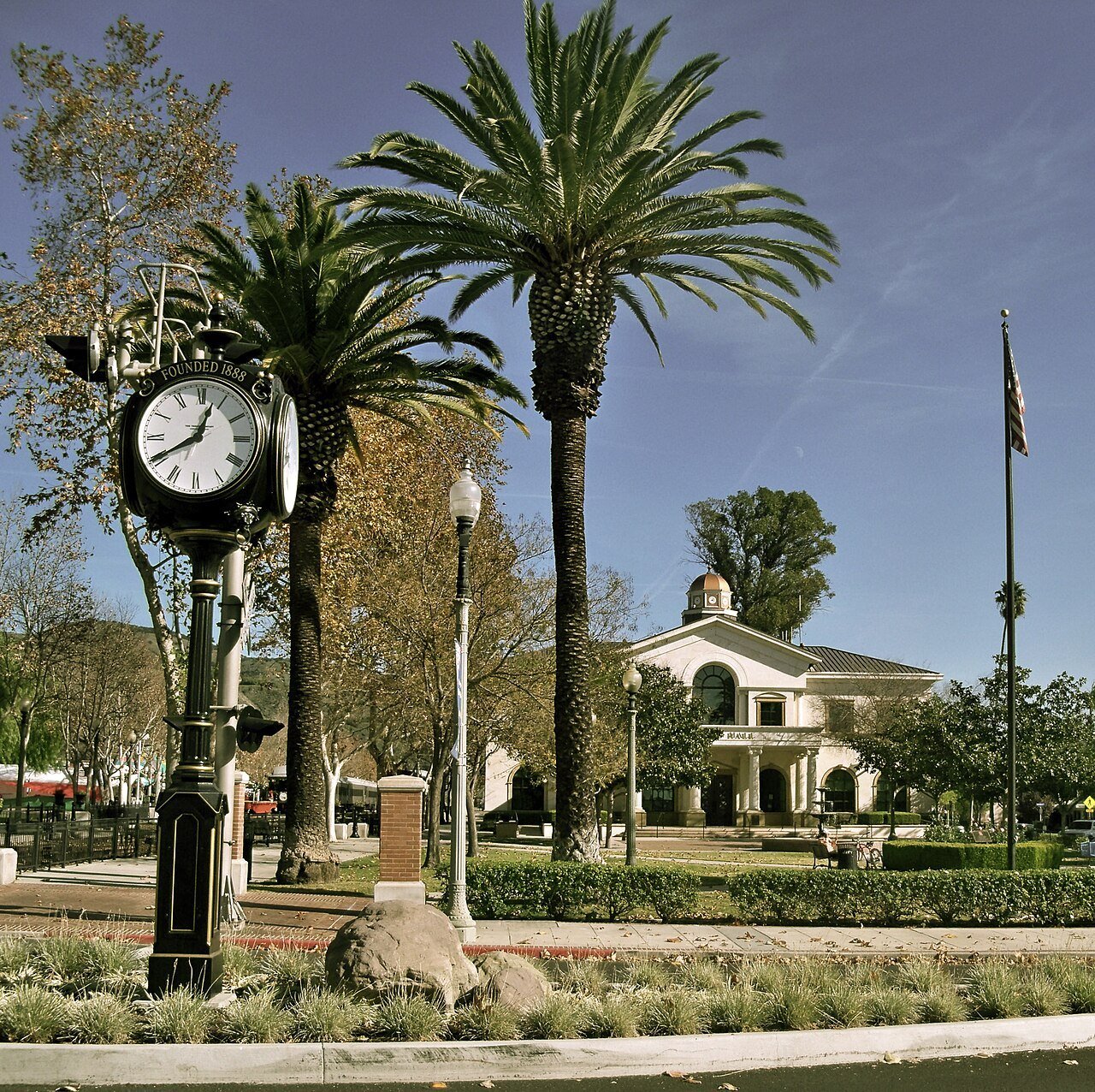
City Hall and Central Park, photographed December 24, 2009 by atgorden. Historical view, not a statement of current landscaping or event access. Photo source.
02 / Prices
The August 2026 provider summary also lists 80 median days on market. Use the dated summary as context, then obtain current comparable sales for the specific kind of home. The report's other charts carry a July label and include nearby-city comparisons, so they should not be read as a single uniform municipal dataset.
For a practical comparison, first separate new construction from resale, detached ownership from shared obligations, and city houses from rural parcels. Then look at usable square footage, bedroom arrangement, lot utility, parking, condition and concessions. A large advertised lot may include space you cannot use as expected. A larger floor plan may still lack the downstairs room or work area you need. The comparison should reflect how the property functions, not just the numbers in its headline.
Housing choice | Useful comparison | Costs and records to check | Question before an offer |
|---|---|---|---|
Established downtown house | Similar layout, condition and setting near the street grid | Documented renovations, permits, major systems and near-term repairs | Does the usable condition support the asking price? |
Newer Heritage Valley-area home | Comparable completed homes and competing new homes | Parcel taxes, assessments, included finishes, solar and landscape costs | What will the completed, move-in-ready home actually cost? |
Attached or association property | Same ownership form and similar shared facilities | Dues, reserves, insurance, maintenance duties and assessments | Which responsibilities belong to the owner and which are shared? |
Foothill or sloping-site house | Comparable usable lot, access, view and structural condition | Drainage, retaining work, site maintenance and insurance quotes | Can I use and maintain the site as intended? |
Rural mailing-area property | Comparable jurisdiction, services and land use | Access, water, wastewater, easements and agricultural context | Do the records support the use I have in mind? |
Build the monthly estimate from the actual proposal: loan terms, taxes, insurance, any association dues and any parcel-specific assessments. Keep a separate allowance for maintenance and the work you expect to do soon after closing. An online mortgage calculator is useful for comparing scenarios, but confirm the inputs with your lender and the relevant records. A previous owner's tax bill or insurance premium is not automatically the next owner's amount.
When two properties seem close, compare written estimates for the major differences. That might mean an insurance quote, a contractor's repair proposal or the cost of finishing a new home's yard. These are more useful than assigning an arbitrary premium to every newer home or an automatic discount to every older one. Your decision can be confident without pretending the market has one answer for every property.
Send me comparable sales for my Fillmore search
03 / Schools
Fillmore Unified School District publishes its campus directory, enrollment information and a Find My School address locator. Its named schools include Mountain Vista, San Cayetano and Rio Vista elementary schools, Fillmore Middle and Fillmore High, as well as other programs and campuses. The district also lists Piru Elementary, so the district's territory should not be confused with the city boundary.
Use the exact property address in the official lookup, then confirm the result with the district for the year in which the student would enroll. Ask about grade level, any application process, capacity, transfer rules and the practical transportation arrangements that affect your household. A nearby-school list on a real-estate website is a starting point for research; it is not an attendance assignment or a guarantee of admission.
Visit or speak with the schools that matter to your decision. Discuss programs, schedules and the support you want to understand rather than using one rating to describe an entire school community. For a home under construction, confirm how the new address is handled in the locator. For a rural parcel, confirm the jurisdiction and district directly. A listing's school names may be outdated or entered at a broader geographic level.
The daily trip deserves its own review. Check crossings, pickup arrangements, before- and after-school commitments and how those interact with work. A house can be close in straight-line distance and still have a route that does not fit your schedule. Make the education inquiry part of the property decision early, while there is time to obtain clear answers.
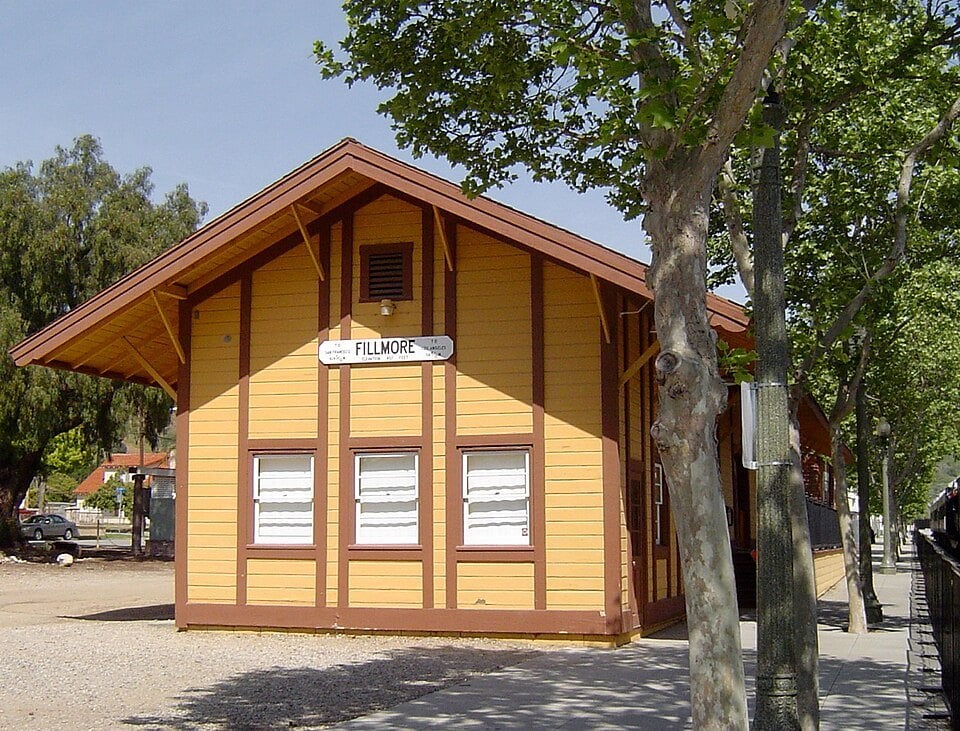
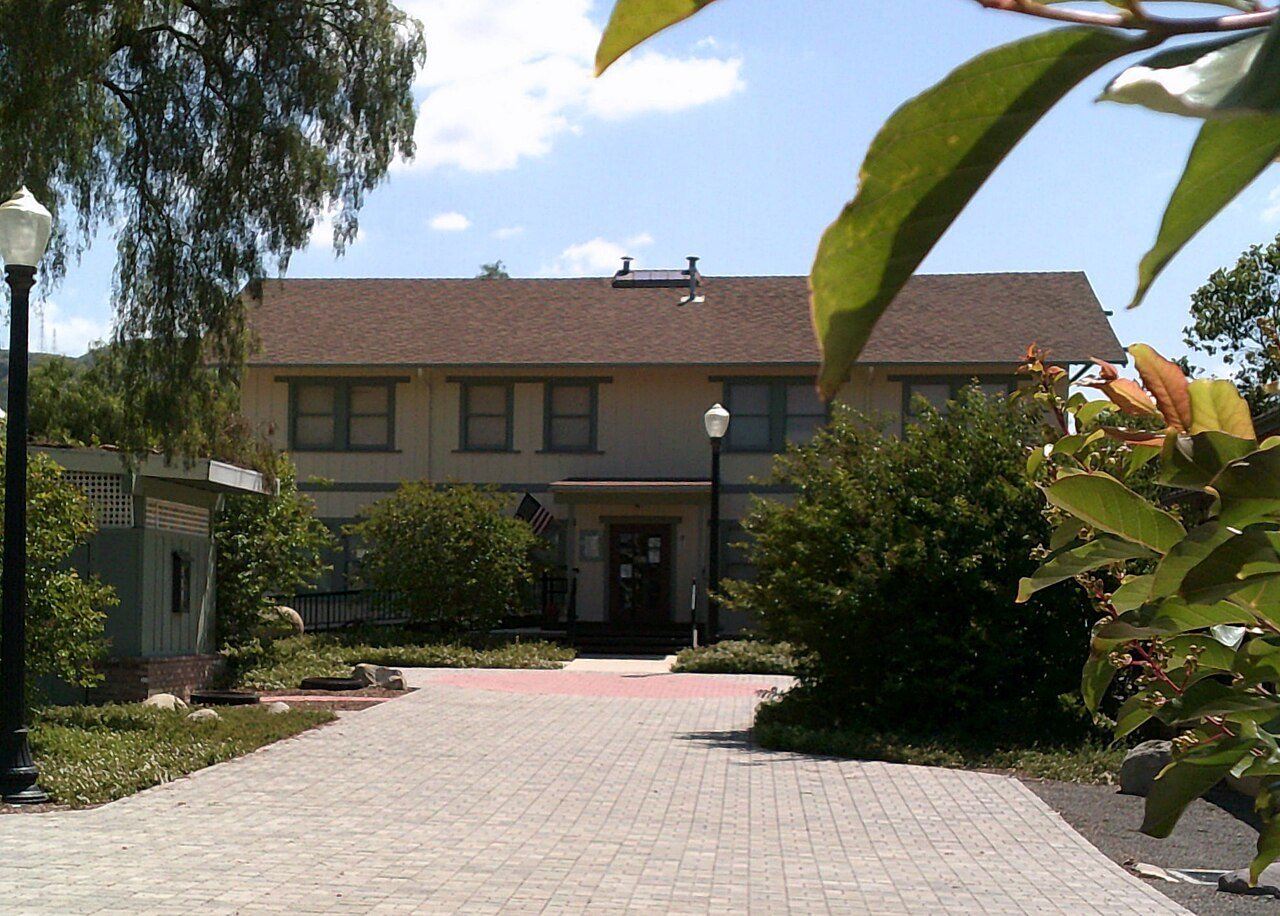
The historic depot at Fillmore Historical Museum, photographed March 25, 2016 by Fillmoremuseum. This is a museum building, not evidence of current commuter-rail service. Photo source.
04 / Commute
Fillmore's location makes route choice central to a relocation decision. State Route 126 runs along the valley toward Santa Paula and Ventura to the west and toward the Santa Clarita area to the east. State Route 23 provides a connection toward Moorpark. Those directions are useful orientation, not a guarantee that any one drive will be quick. The starting street, time of day, destination and any school or errand stop can change the experience.
Test the trip on a representative workday before deciding that a property fits your commute. Include the time needed to leave the neighborhood, reach the main route, park and get to the actual workplace. If your schedule varies, test more than one departure. A route that works well for an occasional appointment may not be one you want to repeat every day, particularly when the household has more than one destination.
For transit, VCTC's Highway 126 Route 60 lists Fillmore, Santa Paula, Saticoy and Ventura. Valley Express provides local service in the Heritage Valley, including Fillmore and Piru routes. Check current schedules, stop locations and transfer timing for your exact trip. The presence of a bus stop does not establish that the first or last service matches a particular shift.
Railroad history is part of Fillmore's identity, but historical photos and museum structures are not a daily transportation plan. If rail is important to your routine, first identify the actual operating station and service you would use, then include the connection from the house. For airport travel, make the same comparison using your chosen airport, departure time, parking or ground transportation and a realistic buffer. This guide does not promise a universal airport or downtown commute.
05 / Daily life
Daily life is easier to judge when you name the places in the routine. Central Avenue and the civic area around Central Park are one starting point; shops and services along the main corridors may be another. Walk the blocks around a candidate home, check the errands you make most often and pay attention to parking and crossings. A pleasant weekend visit is useful, but it does not replace seeing the area at your normal arrival and departure times.
The city's park directory, checked September 16, 2026, lists five facilities: Central Park Plaza, Delores Day Park, Rio Vista Park, Sheills Park and Two Rivers Park. Use the individual facility information for current access, sports-field availability and reservations. A directory entry is not a guarantee that every field, shelter or play area will be available on a particular day.
The Fillmore Historical Museum preserves an 1887 depot, a 1905 Hinckley House and a 1919 Rancho Sespe Bunkhouse. These dated structures give the city's railroad, residential and agricultural history a tangible setting. Check the museum's current hours and event information before a visit. The archival photos here show the buildings as photographed, not current tour conditions or homes being offered for sale.
The surrounding agricultural landscape is part of the broader valley context. If you are drawn to a rural edge, spend time understanding how nearby land is actually used. Ask about access and any relevant recorded notices instead of assuming open land will stay visually or operationally unchanged. Views across property you do not own and the permitted use of your own parcel are separate matters.
For a quieter outdoor routine or a more active sports schedule, compare the distance and route to the specific facility you would use. For dining and errands, look at current operators and opening hours rather than relying on an old streetscape photograph. Keep a short list of essential trips and test them during the home search. That list often reveals more about fit than a broad description such as small-town living.
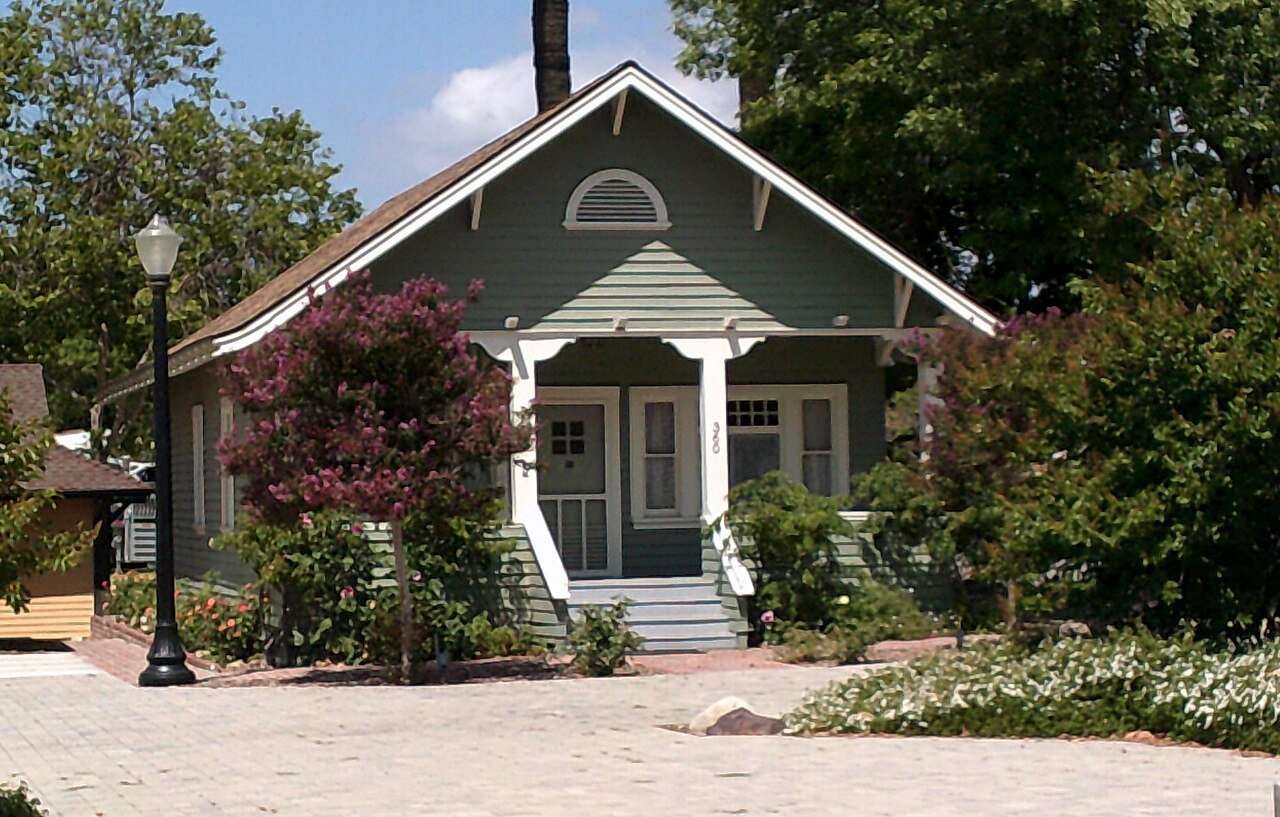
Hinckley House at the museum, photographed March 19, 2014 by Fillmoremuseum. Historic building, not an available residential listing. Photo source.
06 / Selling
A useful selling plan begins with the homes a buyer can genuinely choose instead of yours. For an established house, that may mean similar layouts and conditions on the street grid. For a newer home, it may include a builder's current finished inventory and incentives. A rural property needs a comparison that accounts for services, legal use and land characteristics. Start with current competing listings and recent relevant closings, then explain where your home differs.
Preparation should remove uncertainty as well as improve presentation. Gather available permits, improvement records, equipment information and documents relevant to ownership costs. Resolve obvious maintenance issues when the scope and cost make sense for your circumstances. Before committing to a large renovation, compare the expense and schedule with the likely alternatives available to buyers. Fresh finishes are useful when they support the whole presentation; they cannot substitute for accurate information about the property.
For a home near new construction, be ready to explain the complete package. A resale may have completed landscaping, established improvements or a location a buyer prefers; a new home may offer a different layout or contract incentive. Support the comparison with specifics. Do not promise that either age category will sell faster or for a universal premium. The buyer's decision depends on what is actually available at that moment.
For an older or rural property, plan time for questions that may take longer to resolve. The city's zoning resources can help identify the starting records for a city parcel; the appropriate county offices may be needed outside the municipality. Avoid advertising a potential use as an existing legal entitlement. Accurate descriptions help buyers assess the opportunity and reduce confusion later in the transaction.
Justin and the Active Realty team can help organize pricing, presentation and the selling timeline around your next move. Discuss the level of preparation, photography, showing access and communication you want before launch. If you need to purchase another home as well, build a plan around realistic dates and alternatives rather than an assumed sale price or an inflexible closing sequence. The real-estate guides offer additional preparation topics to bring into that conversation.
For a property-specific starting point, review your selling options with Justin.
07 / Why Justin
A strong real-estate conversation should make the next decision easier. For a Fillmore buyer, that means defining the property type, reviewing relevant comparables and identifying the questions that belong with the lender, inspector, district or planning authority. For a seller, it means explaining the home's position against actual competing choices and agreeing on a preparation and communication plan. Learn more about Justin Tye and the way the team approaches the process.
We will not substitute a regional headline for an address-specific answer. Bring the homes you are considering, the route you need to make and the ownership costs you want to understand. Sellers can bring their timeline and the improvements they have already made. The client testimonials provide broader service context; they are not presented here as a verified set of Fillmore transactions or a promise of a particular result.
Talk through your Fillmore plans. Call 949-381-8581, ask Justin a question about Fillmore, or browse the current Fillmore-area search. Justin Tye, California DRE #01728694.
08 / FAQ
Start with established homes near the downtown street grid, homes in the Heritage Valley planning area, any available attached housing, and rural properties outside the city. Then separate new construction from resale and compare legal ownership, condition and usable space. The city's planning library helps explain the named areas, while parcel records and current listings establish the individual property.
No. A postal place name is not a municipal boundary determination. Properties in surrounding rural areas can require different inquiries about jurisdiction, services, land use and access. Confirm the parcel with the appropriate city or county office before assuming the rules and utilities match a house within incorporated Fillmore.
Asking-price and completed-sale statistics describe different property groups and stages of the market. Their difference is not the discount a typical buyer negotiated. Use current, relevant comparable sales for a specific home, and distinguish the original asking price, final asking price, concessions and completed sale where that information is available.
Compare the complete property and written costs: usable layout, homesite, included finishes, landscaping, solar arrangements, taxes, assessments and financing terms. The builder's current description is a starting point that must be confirmed for the exact homesite. A model, an advertised incentive and a no-HOA label each answer only part of the question.
Use Fillmore Unified's linked address locator and confirm the answer with the district for the relevant grade and enrollment year. Nearby campuses or a listing's school names do not guarantee assignment, transfer approval or admission to a particular program.
VCTC's Highway 126 route connects Fillmore with other points along the western valley, and Valley Express publishes local Fillmore and Piru service. Check the current timetable and the entire connection for your trip. Historic railroad buildings do not establish a daily commuter-rail option.
Start with the Central Avenue civic area, the city's park directory and the historical museum. Then test the shops, services and routes your own routine requires. Check current access and hours; this guide's archival photographs are evidence of place and history, not live operating conditions.
Gather your property records, identify your preferred timing and request an analysis of current competition and relevant completed sales. Discuss preparation before committing to major work. A plan for your actual home is more useful than treating a provider's city headline or a neighboring new-home incentive as your expected sale result. Call 949-381-8581 to begin.
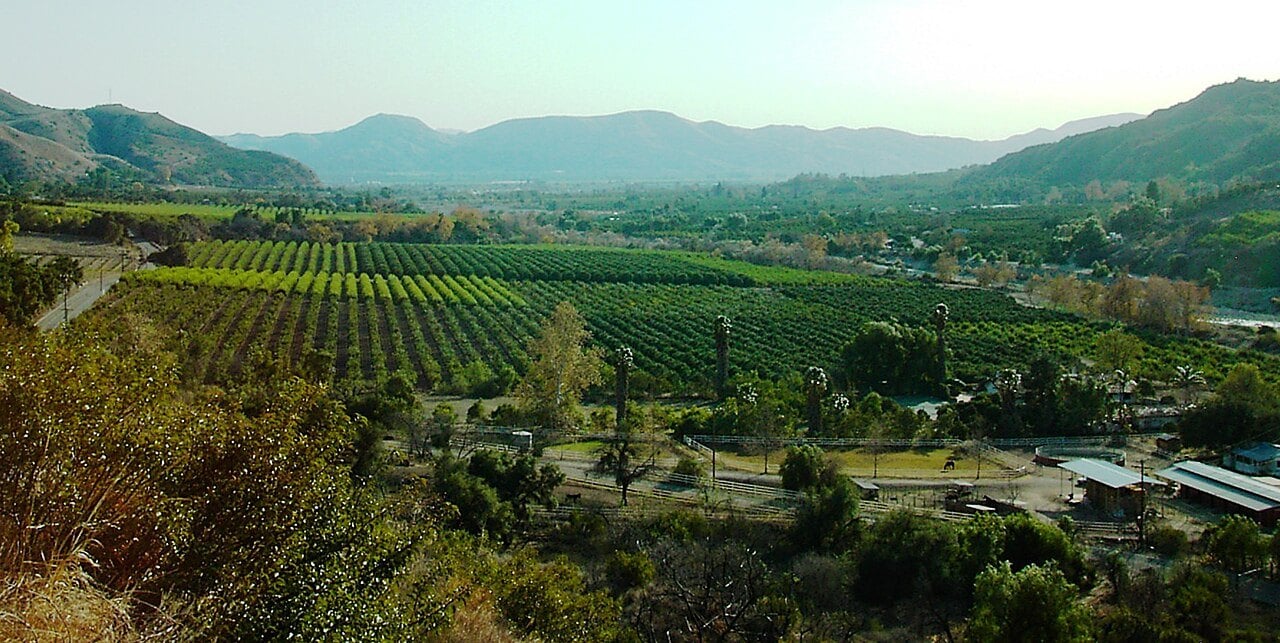
Archival Fillmore panorama uploaded in January 2007 by Frjlove; capture date is not verified. Historical scenery, not a current development or land-use map. Photo source.














.JPG)


